Awakening Your Higher Self: What the Tradition Actually Means by It
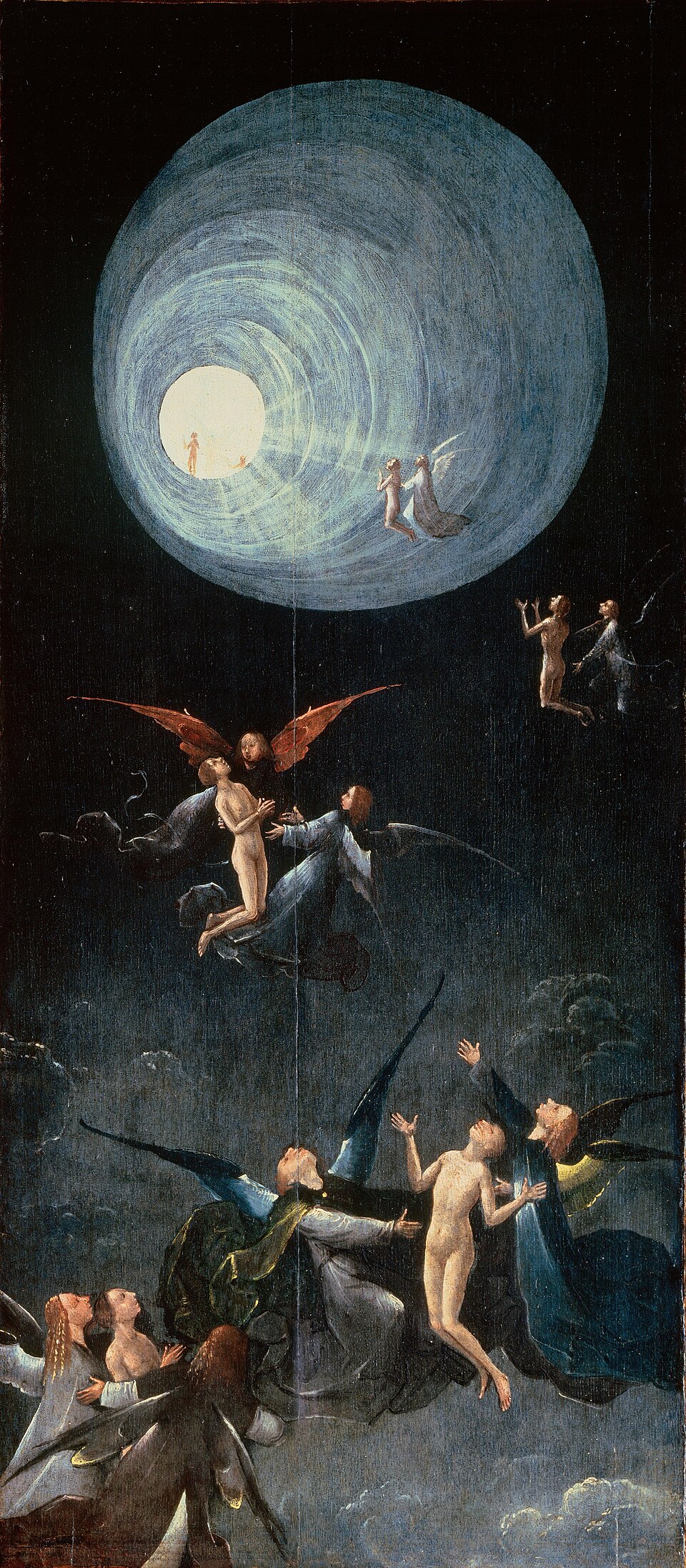
Awakening your higher self means coming into conscious contact with the part of you the tradition calls eternal and divine — the consciousness that exists beneath your personality, your history, and your passing moods. It is not a new personality trait or a better mood. It is a shift in what you take yourself to be: from the character built by circumstance to the awareness that was watching that character form.
The phrase itself is young, belonging to the language of modern self-help and wellness platforms, where it often gets flattened into a synonym for "best self" or "most productive self." The idea underneath it is not young at all. Initiates in the hermetic and mystery school traditions have described some version of this inner distinction — a surface self and a deeper, truer one — for as long as there have been initiates. What follows recovers what the older teaching actually says, apart from the marketing gloss now surrounding it.
What the Tradition Means by "Higher Self"
In the mystery school lineage, the human being is not treated as a single, flat unit. It is described as threefold: a physical body, a soul, and a spirit, each with its own nature and care. The body is the vehicle — honored through diet, movement, and rest. The soul is the emotional and relational layer, the seat of feeling and memory, the bridge between flesh and spirit. Spirit is named as the eternal, divine essence: pure consciousness, the part the tradition insists was never born and cannot die.
The higher self is this spirit layer, recognized. Not a separate being living above you, but the deepest stratum of your own nature, present the entire time, simply unrecognized by a mind that has learned to identify almost exclusively with the body's sensations and the soul's emotional weather. The teaching holds that within every person exists a divine spark — the eternal essence of a person's true nature, capable of being awakened through initiation and sustained inner work rather than produced from nothing.
This is why the tradition's oldest decree is not "improve yourself" but "Know Thyself." Self-knowledge is the foundation of the entire mystery school path, not one technique among many. To know yourself, the teaching says, is to know others; to know yourself is to know the universe; to know yourself is to know what is divine, by whichever name one chooses. The higher self is not an accessory to that knowledge — it is the object of it.
Higher Self Versus Ego: Two Different Centers of Gravity
Nothing clarifies the term faster than contrasting it with what it is not. The ego, in this framework, is the constructed personality: roles, defensive habits, and self-images assembled across a lifetime in response to circumstance, wounding, and reward. It is useful — it organizes a life, holds a job, keeps relationships functioning — but the tradition is clear that it is not the deepest layer of who someone is. It is scaffolding, not foundation.
The higher self is what the teaching says remains when that scaffolding is seen for what it is: not erased, but no longer mistaken for the whole of a person. Practitioners who have gone through sustained initiatory work often describe this less as acquiring something new and more as a recognition — "oh, this was already here." The mind, in the tradition's own description, is treated like "the complicated machine" of the human vehicle: an extraordinarily useful tool for manifesting in physical life, but still a tool, operated by something behind it rather than identical to it.
This is a subtle but important correction to the popular version of the phrase. Awakening your higher self is rarely described, in the serious tradition, as becoming a more impressive version of your personality — more disciplined, more successful, more admired. Those outcomes may follow from inner work, but they are side effects, not the goal, which is recognizing a center of identity that does not rise and fall with achievement at all.
The Hermetic and Kabbalistic Roots of the Idea
The intuition behind the higher self runs through several interwoven streams of the Western esoteric tradition, each adding a different texture to the same core claim.
Hermeticism, attributed to the figure of Hermes Trismegistus, teaches that universal principles govern all levels of existence — the Principle of Correspondence states, in its oldest formulation, "as above, so below." Applied to the self, this principle suggests that the divine order visible in the cosmos is mirrored within the individual: a spark of the same consciousness that organizes the universe is present, in miniature, inside every person. The hermetic principle of correspondence is, in a real sense, the oldest argument for why a higher self should exist at all — if the macrocosm is conscious and divine, the microcosm, humanity, carries that same nature within it.
The Kabbalistic Tree of Life offers a complementary map: ten spheres of consciousness connected by twenty-two paths, arranged from the most physical at the base to the most divine at the crown. "Climbing the Tree," in this teaching, is the ascension through these levels — moving, over sustained study, toward closer contact with the Divine and one's own deepest nature. The higher self, read this way, is less a hidden object and more a direction of travel: upward, inward, toward the crown of one's own tree.
Gnostic and Neoplatonic writers, working in the same broad current, described a true self obscured — not destroyed, but veiled — by attachment to the material world and its appetites. The task of the seeker, in that framing, was anamnesis: remembering what the soul already knew before it was weighed down by matter. The vocabulary differs from "awakening," but the structure of the claim is identical — something true is already present, and the work is recovery, not invention.
A Twentieth-Century Echo: Jung's Concept of the Self
The psychologist Carl Jung's mature theory parallels this older teaching closely enough that the resemblance is worth noting. Jung described what he called the Self — capitalized, to distinguish it from the everyday ego — as an organizing center of the psyche, more-than-personal in nature, toward which the entire process of individuation tends across a lifetime. The ego, in Jung's model, is a necessary but partial structure; the Self is the larger wholeness it both serves and eventually needs to recognize as greater than itself.
Jung did not derive this from the mystery school tradition directly, though he studied alchemy, Gnosticism, and comparative religion closely enough to notice the pattern repeating across cultures with no contact with one another. His conclusion was that the image of a deeper, truer self beneath the personality is close to a universal structure of human experience — exactly what the older initiatory traditions have claimed all along, in a different vocabulary.
What Supports the Recognition, and What the Tradition Does Not Promise
The tradition is consistent on one point: it does not describe this recognition as instant or automatic. It is described as supported — by honest self-examination, emotional healing rather than suppression, sustained study, and initiation into deeper teaching passed from a living tradition rather than assembled from fragments. The subject resists being reduced to a checklist; the recognition cannot be manufactured by following steps, only prepared for and supported by the right conditions and teaching.
There is also an honest caution in the older material that the self-help version of the phrase tends to drop entirely: the higher self is not a tool for getting more of what the ego wants, faster. If anything, the tradition suggests the opposite — that contact with this deeper layer tends to quiet the ego's more frantic demands rather than supercharge them.
Why the Distinction Still Matters
Separating the marketing phrase from its ancient source changes what a person reasonably expects from the inner work itself. If awakening your higher self were simply about optimizing the personality, disappointment would be the likely result — personalities are stubbornly imperfect, and no amount of inner work erases that. But if the teaching is instead that something eternal and already whole exists beneath the personality, waiting to be recognized rather than built, the project changes shape. It is no longer a performance to sustain, but a remembering, undertaken at whatever pace a life allows.
That is, in the end, the oldest claim the spiritual awakening tradition makes about this particular phrase: not that you must become something you are not, but that you are being asked to stop overlooking something you already are.
Walk the Path of the Initiate
These teachings come alive in The Initiated — Paul Schulz's introduction to the living mystery school tradition.
Get the BookFrequently Asked Questions
What does awakening your higher self actually mean?
It means becoming consciously aware of the eternal, divine aspect of yourself that the tradition holds exists beneath the personality and its habits. The awakening is a shift in identification — from believing you are only your thoughts, moods, and history to recognizing a deeper, unchanging consciousness that was always present.
Is the higher self the same thing as the soul?
The tradition distinguishes them. The soul is described as the emotional and relational layer — the seat of feeling, memory, and connection to others. The higher self is identified more closely with spirit: the pure, eternal consciousness beneath both body and soul, the part the tradition says never changes and never dies.
How is the higher self different from the ego?
The ego, in this teaching, is the constructed personality — the bundle of roles, defenses, and self-images built up over a lifetime. The higher self is what the tradition says remains when that construction is seen through: not a better version of the personality, but the consciousness that was watching it the whole time.
Where does the idea of a higher self come from?
Its lineage runs through Hermeticism's teaching of the divine spark within matter, the Kabbalistic Tree of Life's ascent toward higher spheres of consciousness, and Gnostic and Neoplatonic ideas of a true self obscured by the material world. Carl Jung's twentieth-century concept of the Self as an organizing, more-than-personal center of the psyche echoes the same intuition in psychological language.
Can the higher self be awakened quickly?
The tradition does not describe it as instant. It is framed as a gradual recognition supported by sustained inner work — self-examination, emotional honesty, and initiation into deeper teaching — rather than a single event that permanently resolves the question.