Dark Night of the Soul: When Darkness Becomes the Path
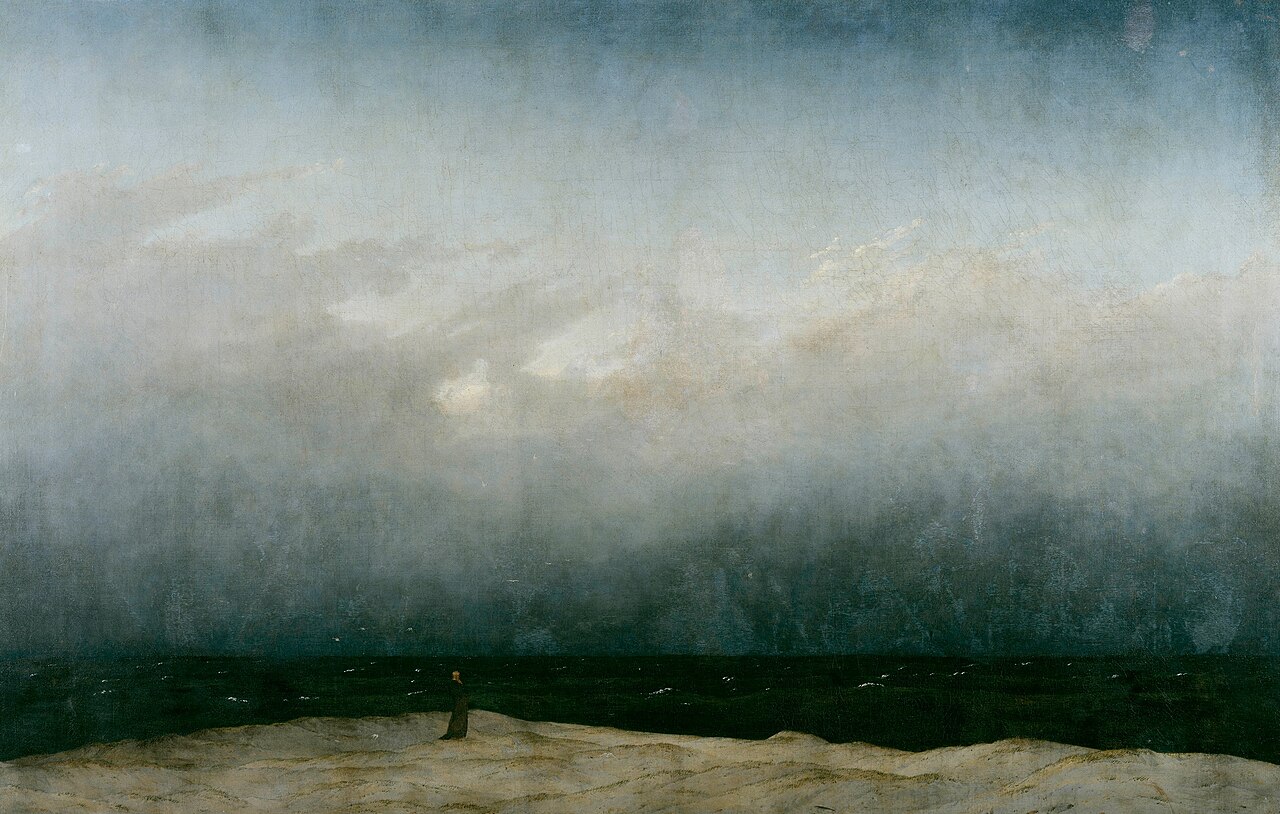
The dark night of the soul is a spiritual crisis—a purification phase where the familiar structures of identity and meaning collapse before the emergence of deeper truth. This experience, named by the 16th-century Spanish mystic St. John of the Cross, is not a mental illness or existential despair. Rather, initiates in the mystery school tradition understand the dark night of the soul as a necessary purification, an initiation through darkness that clears away the false self so the true self can awaken.
The Origin and Meaning of the Dark Night of the Soul
St. John of the Cross, a Carmelite friar and theologian, wrote of the dark night in his works The Dark Night of the Soul and The Ascent of Mount Carmel. He distinguished between two phases: the dark night of the senses and the dark night of the spirit. The first strips away sensory comfort and consolation; the second dissolves the individual ego itself. In both cases, the darkness serves a precise purpose—the soul cannot evolve while clinging to false identities and conditioned patterns.
The teaching is ancient, appearing across traditions. In Kabbalistic terms, the dark night corresponds to the descent through the Qlipoth, the shadow realm through which consciousness must pass on its journey home. In Hermeticism, the nigredo—the blackening, putrefaction phase—is the necessary alchemical stage before transmutation into higher form. The Hermetic tradition teaches that matter and consciousness must be reduced to their primordial state before they can be reconstituted at a higher level.
What the Dark Night Feels Like: Signs of the Purification
Those in the dark night describe a peculiar hollowness. Prayer, meditation, or spiritual practice—once nourishing—becomes dry, meaningless. The things that once gave life satisfaction lose their juice. Relationships, work, achievements, identities: all feel thin, performative, unreal. This is not laziness or apathy; it is a deeper recognition that these structures do not touch the truth of who you are.
Emotionally, the night often brings deep sadness without clear cause. There is grief, but it is nameless grief—the soul mourning the death of illusions it has cherished. Some experience despair so profound that even the possibility of joy becomes unimaginable. Others report a strange clarity simultaneously present with the darkness: the sense that something essential is being destroyed in order to be reborn.
The dark night can include physical symptoms—fatigue, loss of appetite, insomnia, or restlessness. The nervous system is recalibrating. The old identity's defenses are dissolving, and the psyche-body is adjusting to a new baseline.
Why the Dark Night Happens: Ego Purification and the Path to Awakening
The human ego, in the spiritual sense, is not your personality—it is the false sense of self constructed from beliefs, memories, roles, and identifications. "I am successful." "I am damaged." "I am the helper." These are the ego's inventions. The ego is also the seat of all seeking, all grasping, all fear.
At a certain point on the spiritual path, the soul begins to outgrow these constructs. To take the next initiatory step, the old framework must collapse. This is why initiates across traditions speak of death and rebirth. The dark night is that death—the ego's necessary annihilation in the presence of truth.
In the mystery school lineage traced back to King Salomon, initiations mark thresholds where consciousness leaps forward. The dark night is often the companion of true initiation. You enter a ceremony, receive an energetic transmission, and the universe arranges circumstances to strip you of everything that does not belong to your true nature. This is not punishment. It is grace—though grace that burns.
The Dark Night and Depression: A Crucial Distinction
Depression is a clinical condition characterized by dysregulated neurochemistry, persistent hopelessness, loss of agency, and often suicidal ideation. It requires professional mental health support. The dark night, by contrast, is a spiritual initiation characterized by clarity about its meaning, a paradoxical sense of rightness within the darkness, and an intact (if challenged) sense of self-awareness and purpose.
That said, the two can coexist, and discernment is essential. A person in a genuine dark night can still fall into clinical depression. If you are experiencing suicidal thoughts, severe panic, inability to function, or thoughts of self-harm, seek professional mental health care immediately. Do not use the dark night framework as a substitute for therapy or medication. The dark night of the soul is not a medical diagnosis and should never be treated as one.
Navigating the Dark Night: The Mystery School Perspective
The mystery school teaches that the dark night can be navigated with courage and understanding. First: recognize what is happening. The darkness is not failure; it is initiation. The stripping away is not punishment; it is purification.
Second: continue the practice. Even when meditation feels empty, continue. Even when prayer brings no consolation, persist. The dark night requires what St. John called "dark faith"—trust in the process when all sensory feedback has been removed.
Third: seek support from those who have walked the path. The dark night is profound solitude, yet it is not isolation. A genuine teacher or initiate can mirror what is occurring, remind you that you are not broken, and hold the knowing that the night passes. The modern mystery school emphasizes this: "We need to have the warrior and the healer within because you cannot share what you do not have."
Fourth: practice self-acceptance and self-forgiveness. Healing in the mystery school tradition is not about fixing a broken thing; it is about accepting that you are eternal and that every experience—including this darkness—serves your becoming.
What Emerges After the Dark Night
Those who have passed through the dark night report profound liberation. The false self no longer rules. In its place arises a genuine connection to the eternal essence that inhabits your being—the divine spark that has never been born and can never die.
This emergence is gradual. There is no sudden flash into permanent enlightenment. Rather, initiates describe a deepening authenticity, a capacity to act from truth rather than fear or conditioning, and a clarity about life's true purpose. Relationships often transform because they are no longer based on mutual ego-reinforcement but on genuine presence. Creativity, compassion, and courage naturally increase.
The mystery school teaches that as you know yourself in this deeper way, you naturally serve others and contribute to the vision of Shamballah—a world of peace, unity, and divine order. The personal transformation naturally extends to planetary impact.
Walk the Path of the Initiate
These teachings come alive in The Initiated — Paul Schulz's introduction to the living mystery school tradition.
Get the BookFrequently Asked Questions
How long does the dark night of the soul last?
Duration varies widely. Some experience the dark night intensely for weeks or months; others report years of gradual dissolution. The tradition suggests it correlates with the depth of transformation occurring. Rather than a fixed timeline, initiate teachings focus on recognizing the stage and moving through it with courage and surrender. Attempting to rush or escape the process may prolong it.
What triggers a dark night of the soul?
The dark night typically arises when the ego's protective structures—false identities, acquired beliefs, comfortable illusions—are ready to be purified away. Common triggers include profound loss, a spiritual initiation, deep meditation practice, or a genuine commitment to the path. The mystery school perspective holds that the dark night comes as an act of grace, not punishment—a necessary phase in the soul's evolution toward higher consciousness.
Is the dark night of the soul the same as depression?
While both involve profound darkness, they are distinct. Depression is a clinical condition requiring professional mental health support. The dark night of the soul, by contrast, is a spiritual initiation—a stripping away of old identity and meaning. A person in a true dark night often experiences clarity about what is happening spiritually, even amid emotional pain. Important: Do not use the dark night framework as a substitute for professional mental health care. If you are experiencing suicidal thoughts, severe anxiety, or clinical depression, contact a mental health professional immediately.
What emerges after the dark night of the soul?
Initiates who navigate the dark night report profound awakening: a genuine connection to their true nature, freedom from false identities, deeper compassion, and clarity about their life's purpose. The egoic structures that once felt solid dissolve, revealing the eternal essence beneath—what the tradition calls the divine spark within. This emergence is not instantaneous euphoria; it is a gradual reclaiming of authentic power and presence.