Dark Night of the Soul by Philip Wesley: What the Album Actually Is
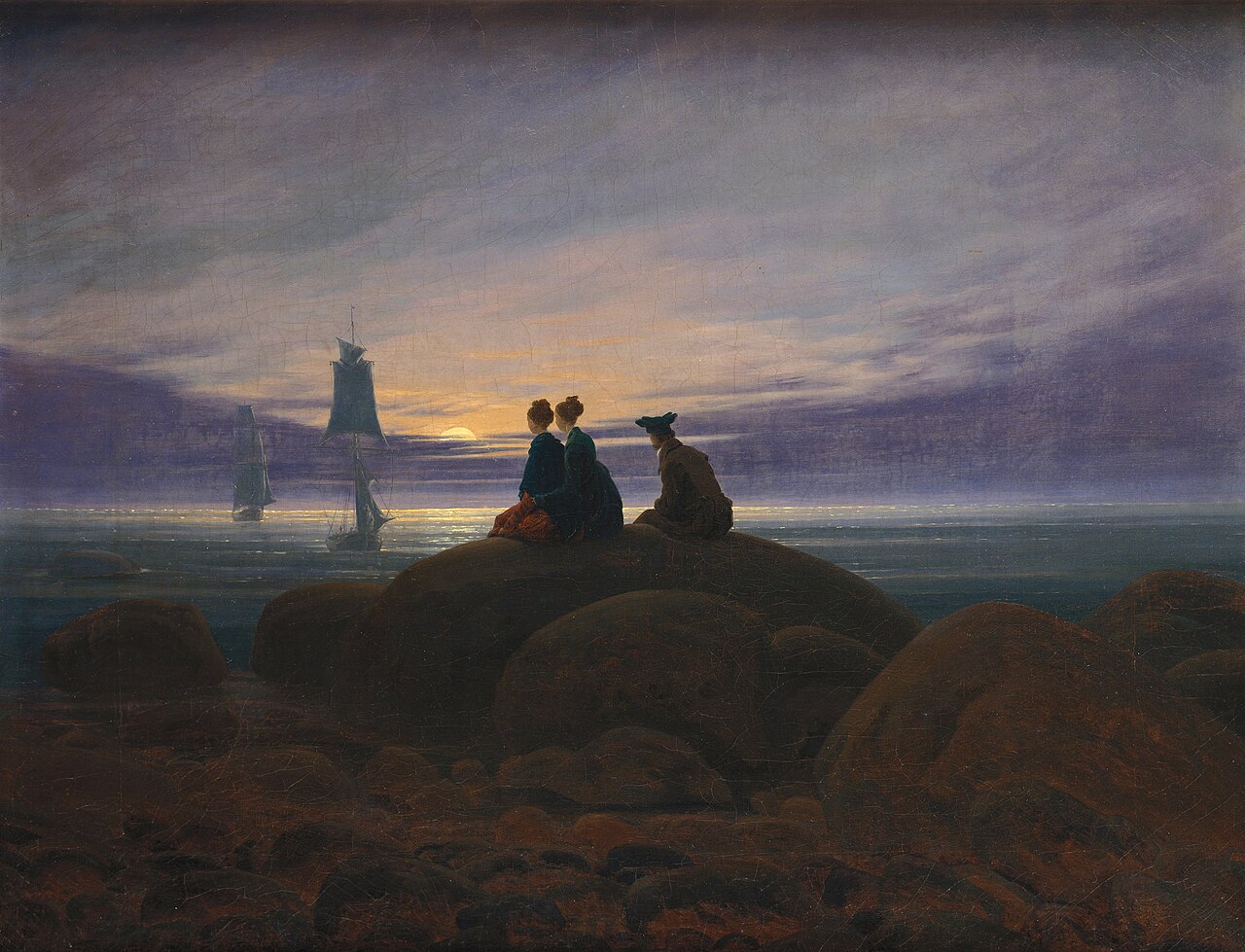
Dark Night of the Soul by Philip Wesley is a 2008 solo piano album — his fourth full-length instrumental record — written, by the composer's own account, in the aftermath of his divorce. It is not a musical setting of St. John of the Cross's 16th-century poem of the same title, has no lyrics, and makes no direct reference to the Carmelite friar's text anywhere in its twelve tracks. What it shares with that older work is only the phrase itself, borrowed for what it evokes rather than for what it originally meant. The album went on to reach Billboard's New Age Albums chart, joining a long list of records, songs, and books that have taken the same four words and pointed them at something entirely their own.
What Is Actually on the Album
Wesley's Dark Night of the Soul runs twelve tracks across roughly seventy minutes — long for a solo piano record, and long enough to function more like a suite than a collection of singles. The track list traces a rough emotional arc: pieces such as "Tears of the East" and "Racing Against the Sunset" open the record in a register of loss and disorientation, "The Approaching Night" and "Darkness Falls" sit near its emotional floor, and the title track, "Dark Night of the Soul," anchors the collection rather than opening or closing it. The record was engineered by Michael Dulin at his PSI Recording Studio in Birmingham, Alabama, and belongs to the same contemporary solo-piano lineage as artists like George Winston — reflective, largely improvisatory-sounding instrumental music built for close, private listening rather than performance halls.
None of this is incidental to why the album keeps surfacing in searches for the phrase. A composer working entirely without words has to let a title do work that lyrics would otherwise do, and "Dark Night of the Soul" is an unusually loaded four words to reach for. It tells a listener what emotional territory to expect before a single note plays, borrowing the authority of a five-hundred-year-old phrase to frame a record that is, in its own substance, about one man's specific and much more recent loss.
Why the Same Four Words Keep Getting Reused
The phrase itself belongs to St. John of the Cross, the 16th-century Spanish Carmelite whose poem and its accompanying treatise gave the dark night a precise theological meaning: a two-stage purification — first of the senses, then of the spirit — that a soul passes through on its way toward union with God. His own poem opens simply:
"Upon a gloomy night, with all my cares to loving ardors flighted, oh venture of delight! I went by, unespied, my house being now at rest." — St. John of the Cross, "The Dark Night" (16th c., public domain translation)
That original text is precise and doctrinal. What survives of it in general use is something looser: a shorthand for any stretch of life where meaning drains out of everything a person once relied on. Once the phrase escaped its Carmelite source, it became available to anyone describing a comparable collapse, regardless of whether they meant the specific theological process John of the Cross described. Musicians reach for it constantly — this site has separately covered how Loreena McKennitt set a version of the actual poem to music on her 1994 album The Mask and Mirror, which makes for an instructive contrast: her track is a direct musical setting of John of the Cross's text, translated and adapted, while Wesley's is an original composition that borrows only the title's weight. Two records, same four words, entirely different relationships to the source.
What the Tradition Means by the Same Phrase
Inside the mystery school lineage, the dark night is understood more narrowly than either musician intends it, and it is worth being exact about the difference. Initiates do not use the phrase for ordinary grief, however severe. They use it for a specific kind of collapse: the dissolution of a constructed identity — the roles, achievements, and self-images a person has been mistaking for their true nature — that has to occur before a deeper self can surface. In Hermetic language this is the nigredo, the blackening or putrefaction stage that has to precede any real transmutation, a principle this site's essay on what hermeticism actually teaches traces back through the Corpus Hermeticum's account of mind descending into and rising back out of matter.
A divorce, a career collapse, a crisis of faith — any of these can trigger the process the tradition is describing, and Wesley's own account of writing the record after his marriage ended fits that pattern closely enough. But the tradition's version of the dark night is defined less by the triggering event than by what it does to a person's sense of self: not sadness about a loss, but the removal of a scaffolding the person had built their whole identity on. That distinction matters practically, too. A period of grief resolves when the loss is metabolized; the initiatory dark night resolves only when whatever false structure it exposed has actually been let go.
Darkness Before Understanding, in Two Old Traditions
The idea that a season of darkness has to come before genuine understanding is not unique to Hermetic alchemy, and this site's essay on where Gnostic and Hermetic teaching meet spells out why the overlap runs deeper than a shared metaphor. Both currents treat ignorance — a state closer to unconsciousness than to simple lack of information — as the actual condition a soul begins in, and both treat its removal as an event rather than a gradual accumulation of facts. Gnostic writers called what dispels it gnosis; Hermetic writers called it the return of the mind to its divine origin. Neither tradition describes that dispelling as painless, which is one reason a phrase minted by a Christian mystic, describing a very specific spiritual ordeal, has proven so exportable to musicians working in an entirely different register five centuries later. The shape of the experience — meaning collapsing before it can be rebuilt on firmer ground — turns out to be recognizable across traditions that otherwise disagree about almost everything else.
Listening to the Album for What It Actually Is
None of this is a reason to hear something doctrinal in Wesley's record that its composer never put there. He has been direct about the album's origin in his own life, and the music itself carries no theological argument — it is an instrumental record about a specific, personal collapse, competently made and genuinely moving on its own terms, that happens to share its title with a much older and more technical phrase. Where the two do connect is at the level of form rather than content: an instrumental record, like the apophatic language mystics have always reached for, can gesture at a state that resists being described directly. Words strain to capture what a purification actually feels like from the inside; seventy minutes of unhurried piano can sit with that feeling without needing to explain it. That is likely closer to why the title still resonates, five hundred years and one industry away from where it was first written down, than any claim the album makes about the tradition itself.
Walk the Path of the Initiate
These teachings come alive in The Initiated — Paul Schulz's introduction to the living mystery school tradition.
Get the BookFrequently Asked Questions
What is Dark Night of the Soul by Philip Wesley?
It is a 2008 solo piano album by the American composer Philip Wesley, his fourth full-length instrumental release. It is a work of contemporary solo piano music, not a musical setting of St. John of the Cross's 16th-century poem of the same name, and it charted on Billboard's New Age Albums chart after release.
Is Philip Wesley's Dark Night of the Soul based on St. John of the Cross's poem?
No. Wesley borrowed the phrase for its emotional resonance rather than setting the Carmelite mystic's text to music. The album has no lyrics, no liner-note reference to the poem, and no track built around its stanzas; it is an original instrumental response to a personal period of loss, not an adaptation of the 1578-1579 treatise.
What inspired Philip Wesley to write the album?
By his own account, the record was written in the aftermath of his divorce. Track titles such as "The Approaching Night" and "Darkness Falls" trace an arc from grief through disorientation, which is consistent with an artist using the phrase in its everyday sense of a personal crisis rather than in its specific theological one.
How many tracks are on Dark Night of the Soul by Philip Wesley, and how long is it?
The album runs twelve tracks across roughly seventy minutes, including pieces such as "Tears of the East," "Racing Against the Sunset," "The Approaching Night," and the title track, "Dark Night of the Soul." It was engineered by Michael Dulin at his PSI Recording Studio in Birmingham, Alabama.
What does the mystery tradition mean by the phrase, if not what Wesley intended?
Initiates use the phrase for a specific stage of inner purification, distinct from a season of grief: the collapse of a false identity that must occur before a deeper one can emerge. Contemporary artists using the same words are usually pointing at the ordinary experience of personal darkness, which overlaps with but is not identical to that older, more technical initiatory sense.