Dark Night of the Soul Saint John of the Cross: What the Poem Actually Says
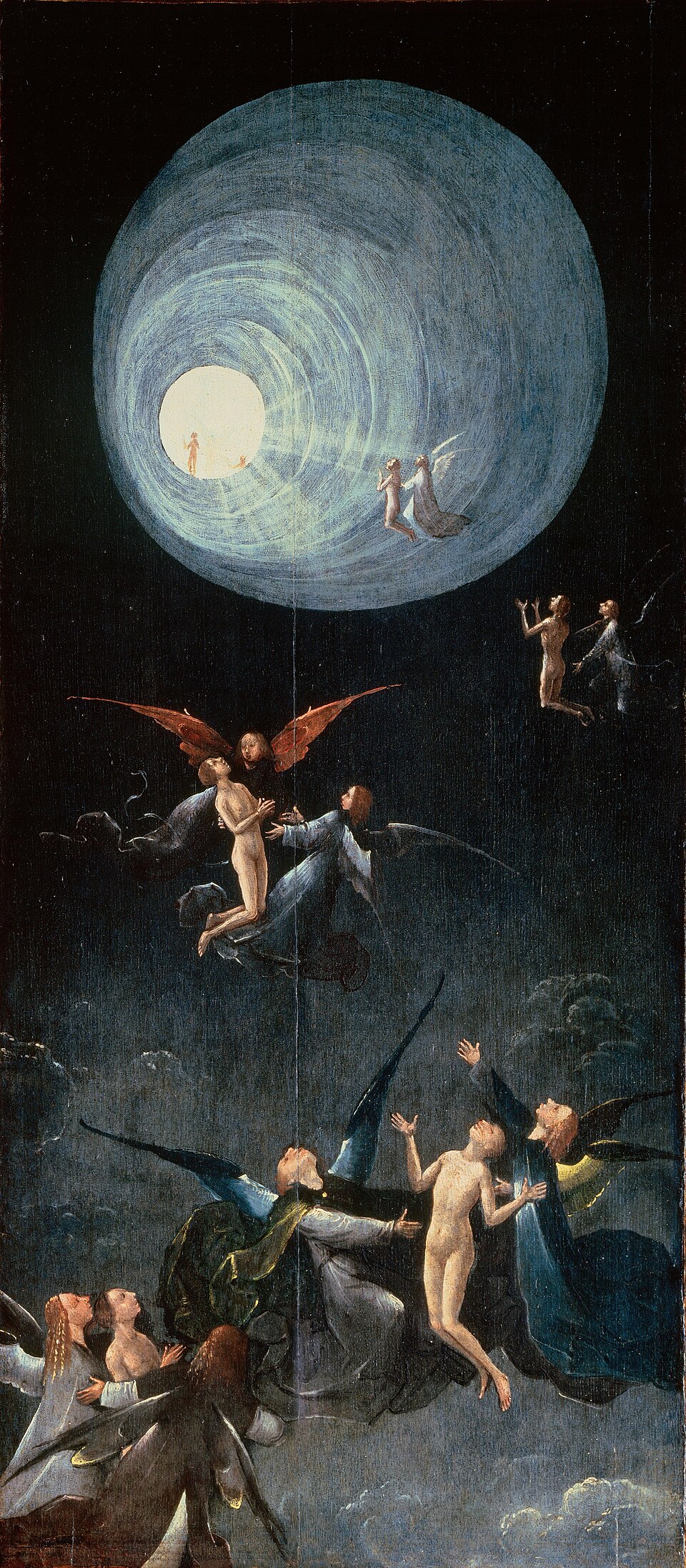
Dark night of the soul Saint John of the Cross is one phrase pointing at two things at once: a short sixteenth-century poem of eight stanzas, and the two-volume prose commentary the same Carmelite friar wrote to explain it, line by line. Most people who reach for the phrase have met neither. They know the mood — grief without an obvious remedy, faith gone quiet — but not the actual text, which is stranger, more precise, and far more hopeful than the mood alone suggests. Read the poem itself and the commentary built on it, and the phrase stops being a synonym for suffering and becomes what its author intended: a map of how a soul is led, in stages, toward a union it could never have reasoned its way to on its own.
The Poem Itself: Eight Stanzas of Noche Oscura
Noche Oscura is short — eight stanzas, none longer than five lines — and it moves in a clear arc. The first four stanzas describe a soul slipping out of a sleeping house undetected, guided by nothing but a light burning in its own heart, toward a waiting Beloved. The fifth stanza turns and addresses the night directly, no longer merely enduring it but praising it:
"O night that guided me, O night more lovely than the dawn, O night that joined Beloved with lover, lover transformed in the Beloved!"
That turn matters. The poem does not build toward relief from the darkness; it builds toward gratitude for it, because the darkness was the condition under which the joining happened, not an obstacle the soul had to get past first. The final three stanzas describe a union so complete that ordinary self-awareness falls away entirely — the soul "reclined" on the Beloved, its cares "forgotten among the lilies." Saint John wrote the poem before he wrote a word of explanation for it. The theology came second, an attempt to account for an experience the verses had already rendered in full.
The Night of Sense and the Night of Spirit, in More Detail
The prose commentaries — The Ascent of Mount Carmel and The Dark Night — split the single night of the poem into two distinct purifications. The night of sense weans the soul off the felt pleasure of prayer and devotion, much as a mother weans a nursing child by making the milk taste bitter: not to harm the child, but to move it toward solid food it is now ready for. Saint John gives three specific signs by which a person can tell they have genuinely entered this night rather than simply grown lazy or distracted: an inability to meditate discursively as before, reasoning step by step from one thought to the next; no desire to fix the imagination on any other particular object, spiritual or otherwise; and, underneath both, a quiet, general, loving attentiveness to God that persists without any particular acts to produce it. That third sign is the one he considered decisive — without it, the other two describe spiritual dryness, not the night he means.
The night of spirit is rarer and goes further, dismantling the soul's confidence in its own insight, its sense of being spiritually advanced, even its clarity about what God is doing with it. Saint John calls the experience a "ray of darkness" — divine light so far beyond the soul's capacity that it registers, at first, as an absence rather than a presence, the way a very bright light blinds rather than illuminates an eye unprepared for it. Few souls pass through this second night in his account; most who experience any dark night at all experience only the first, and even that, he insists, is not something the soul can bring about through effort. Both nights are passive — done to the soul, not performed by it.
The "Nada, Nada, Nada" Sketch on the Mountain
Alongside the written commentary, Saint John drew something rarer for a mystical theologian: a diagram. His sketch for The Ascent of Mount Carmel shows a mountain with a single narrow path running straight to the summit, where words cluster describing a peace beyond any particular good. Branching from that central path are wider roads promising the goods of earth, of heaven, of knowledge, of consolation and rest — and down the length of the straight path itself, he wrote the same word repeatedly: nada. Nothing, nothing, nothing, nothing, and, only at the summit, también en el monte nada — even on the mountain, nothing. It is not a claim that nothing in creation has value. It is an instruction about ranking: nothing is to be wanted more than the union at the summit, including the spiritual gifts and consolations that can themselves become substitutes for it.
That sketch is worth as much attention as the poem, because it shows Saint John working as a cartographer rather than only a poet. He was not describing an emotion he happened to feel and hoping others would recognize it. He was drawing a route, with the specific hazards of the route marked, for anyone willing to follow it after him.
How the Mystery Tradition Reads the Nights as a Method
Where a purely devotional reading treats the nights mainly as endurance — hold on, it will pass — the mystery tradition reads Saint John's map as a technical account of purification, comparable in structure to the stripping-away that any serious initiatory path requires before deeper knowledge can be received. The mystery school lineage has always held that a candidate cannot simply be told the deeper teaching; the vessel has to be prepared first, or the teaching has nowhere to land. Saint John's night of sense, in this light, reads as a description of exactly that preparation applied to the specific attachments that build up around religious practice — the pleasure of feeling devout standing in for the devotion itself.
What his account adds to that older pattern is the precision of the two-stage diagnosis: sense first, spirit only for the few who go further, each with its own signs, its own dangers, its own specific temptations to mistake the process for its opposite. A soul that reads only the poem gets the feeling of the night. A soul that reads the commentary and the sketch gets, in addition, a way to recognize where it stands inside it — which is closer to what an initiated teacher inside any tradition tries to give a student walking through a genuine dark night of the soul: not comfort alone, but orientation.
Reading the Text Instead of the Reputation
The phrase has drifted far enough from its source that most invocations of it now mean something closer to "a hard stretch," stripped of the specific structure Saint John built into it. That looser use is not wrong so much as thinner. His actual text offers something the mood-word cannot: a description precise enough to check your own experience against it, stanza by stanza, sign by sign, all the way up a mountain marked, at every turn, with the same single instruction. The poem gave the world its most enduring image of the passage. The commentary and the sketch gave it a map for actually walking through one.
Walk the Path of the Initiate
These teachings come alive in The Initiated — Paul Schulz's introduction to the living mystery school tradition.
Get the BookFrequently Asked Questions
What does dark night of the soul mean in Saint John of the Cross's own writing?
He used it as the title of both a poem and the prose commentary explaining it: a passage in which the soul is drawn out of everything that has been feeding it, including the comfort of feeling close to God, so that it can be joined to God on terms deeper than feeling. The darkness is not punishment. He calls it a happy chance, because what it clears away was never the destination.
What are the two nights Saint John of the Cross describes?
The night of sense strips away the pleasure the soul took in prayer and devotion, weaning it off spiritual sweetness the way a mother weans a nursing child. The night of spirit goes further, dismantling the soul's confidence in its own insight and progress, leaving only a bare, unfelt faith. Most people who experience any dark night at all experience only the first.
How many stanzas does the poem have, and what do they trace?
Noche Oscura has eight stanzas. The first four describe the soul slipping out of the house of the senses undetected; the fifth turns to praise the night itself for joining lover and Beloved; the last three describe union so complete that ordinary awareness falls away and the soul forgets its own cares among the lilies.
What does the nada, nada, nada path up Mount Carmel mean?
In the sketch Saint John drew to accompany The Ascent of Mount Carmel, the straight path to the summit is labeled again and again with nada — nothing — set against side paths offering the goods of earth, of heaven, of knowledge, of rest. It is a visual instruction to want no created thing more than God, not a claim that nothing has value.
Is a hard season the same as a Saint John of the Cross dark night?
Not necessarily. Saint John describes a specific pattern — an inability to meditate as before, no pull toward other objects of thought, and a quiet, loving attentiveness that remains underneath the dryness — not simply sadness or a difficult stretch of life. Depression and other mental health conditions need qualified medical care rather than a purely spiritual reading.