Eleusinian Mysteries: What Actually Happened at Antiquity's Most Guarded Rite
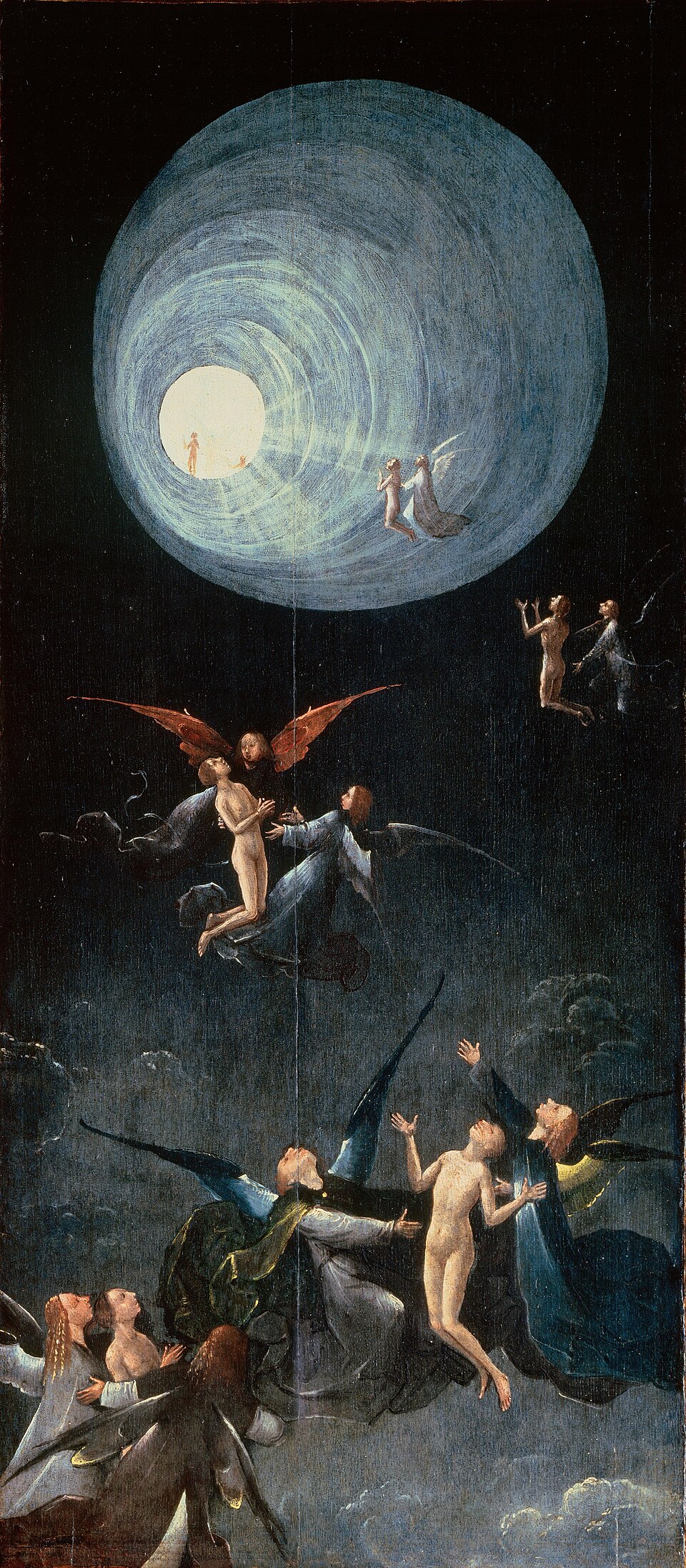
The Eleusinian Mysteries were an annual initiation rite celebrated for close to two thousand years at Eleusis, a town near Athens, built around the myth of Demeter's grief for her stolen daughter Persephone and culminating in a nocturnal ceremony inside a sealed hall that no participant, under solemn oath, ever wrote down. What survives is the rite's outer shell: the calendar, the procession, the officiants, the myth it dramatized. What happened at its center remains the best-kept secret the ancient world ever managed to keep — and that silence is itself part of what made the Mysteries famous.
Cicero, an initiate himself, called Eleusis the greatest gift Athens ever gave to the wider world. He did not elaborate. Neither did Plato, nor Sophocles, nor any of the thousands of Athenians who walked the Sacred Way each autumn for nineteen centuries. That discipline of silence is worth sitting with first: an entire civilization built its most celebrated religious institution around an experience it agreed, generation after generation, never to describe.
What Were the Eleusinian Mysteries, Exactly?
The Eleusinian Mysteries were a two-tiered initiation cult dedicated to Demeter, goddess of grain, and her daughter Persephone. The Lesser Mysteries were held each spring at Agrae, near Athens, as a preparatory rite; the Greater Mysteries followed in the autumn month of Boedromion, running nine days and drawing candidates from across the Greek-speaking world. Unlike Athens's public religion, which anyone could observe from a distance, the Mysteries required formal initiation — a hierophant's blessing, ritual purity, and, at the center of it all, direct participation in whatever took place inside the Telesterion, the great hall built to hold thousands at once.
Excavations at Eleusis show cult activity reaching back to the Mycenaean period, well before the Greek dark age, so the rite Cicero praised in the first century BCE was already inheriting a tradition older than Homer.
The Myth Behind the Eleusinian Mysteries: Demeter and Persephone
The Homeric Hymn to Demeter, composed sometime in the seventh century BCE, tells the story the rite dramatized. Hades abducts Persephone and drags her into the underworld; Demeter searches for her daughter in grief so consuming that the earth stops producing grain and humanity faces starvation. Disguised as an old woman, she comes to Eleusis and attempts, in secret, to make the infant prince Demophon immortal by holding him in fire each night — an act interrupted when his mother walks in and screams. Demeter reveals herself, and in recompense for the loss of that gift, she instructs the Eleusinians in her Mysteries instead: a different immortality, offered not to one child but to any initiate willing to undergo the rite.
Zeus brokers a compromise: Persephone will spend part of the year with her mother above ground and part below as queen of the dead, her descent and return mirroring the planting and sprouting of grain. The myth gave Eleusis its two central claims — that death is not final, and that a goddess herself taught mortals how to face it without despair. Every element of the later rite, from the fasting to the nocturnal search by torchlight, appears to reenact this story, though because the ceremony was never described, scholars can only infer the connection.
Inside the Nine Days: How the Rite Actually Unfolded
The outer schedule of the Greater Mysteries is documented well enough to reconstruct. Priests carried sacred objects from Eleusis to Athens and proclaimed the festival's opening; candidates purified themselves in the sea at Phaleron. A day of sacrifice followed, then the procession proper: thousands walked the fourteen miles to Eleusis along the Sacred Way, carrying torches and invoking the god Iacchus.
At Eleusis, candidates fasted, broke it with the kykeon, then spent a night of searching in darkness before the culminating rite inside the Telesterion — a windowless hall whose ruins still stand, with a small inner chamber called the Anaktoron that only the hierophant could enter. Ancient sources agree initiates experienced three stages inside: things done, things said, and things shown. What those things actually were is precisely what no source records. Aristotle wrote that initiates were meant not to learn something but to undergo something — a change of state rather than an accumulation of facts, as close as any surviving philosopher comes to describing the experience itself.
The Kykeon and the Ergot Theory
The kykeon initiates drank to break their fast was a simple mixture of barley, water, and pennyroyal, named in the Homeric Hymn itself as the drink Demeter requested rather than wine. In 1978, the chemist Albert Hofmann — who had synthesized LSD decades earlier — proposed with classicists Carl Ruck and R. Gordon Wasson that the barley may have carried ergot, a fungus from which LSD-like compounds can be derived, giving the kykeon a mild psychoactive effect.
The theory remains exactly that: argued from indirect evidence rather than any surviving recipe. No ancient text confirms it, and classicists remain divided on it. The tradition I was initiated into treats it with caution — a chemical explanation for a nine-day rite of purification, procession, fasting, and myth reduces careful preparation to a single ingredient, and the ancient sources never frame the experience that way themselves.
Who Was Initiated — and Who Guarded the Secret
Eleusis was unusually open for its time. Initiation was available to any Greek-speaking person — man or woman, free or enslaved — who had not committed murder, a remarkable inclusivity for classical Athens. Two hereditary families oversaw the rite: the Eumolpidae, who supplied the hierophant, and the Kerykes, who supplied the torchbearer and other officiants. Revealing the Mysteries' content was a capital crime, and the playwright Aeschylus faced accusations, credible or not, of having spoken of things he should not have.
The list of known initiates reads like a roster of the ancient world's most careful minds: Plato, Sophocles, Pindar, the emperors Hadrian and Marcus Aurelius, and Cicero, who wrote of the rite in De Legibus without once describing what happened inside it.
"Thrice happy were those of mortals who saw these rites before going to Hades; for they alone have true life there, while for the rest all there is evil." — Sophocles, fragment 837, preserved by Plutarch
Why the Eleusinian Mysteries Ended
Theodosius I's edicts of 391-392 CE outlawed pagan religious practice across the Roman Empire, stripping Eleusis of any legal standing almost overnight. The sanctuary was still standing when the Visigothic king Alaric led his forces through Greece in 396 CE and sacked the site, and it was never rebuilt. Nearly two thousand years of continuous practice ended within a single generation, and because the rite's content had never been written down, there was no text to preserve once the last hierophants died without an heir to pass it to.
This is the pattern behind every mystery cult that guarded its content through oath rather than scripture: once the chain of living transmission breaks, the teaching does not survive in fragments. It simply ends. What we have of Eleusis today is architecture, pottery, a hymn, and a festival's outer schedule — the frame the experience was held in, not the experience itself.
What the Mystery School Tradition Makes of Eleusis
The tradition I teach traces its written lineage to King Solomon and its oral lineage further still, and it treats Eleusis as proof of a claim easy to state and hard to credit: that direct initiatory experience, not doctrine on a page, was for most of human history the actual method by which sacred knowledge moved from one generation to the next. Readers curious how that same claim plays out in a very different biblical figure may find Biblical Solomon: The King Scripture Describes vs. the Legend Built on His Name useful — a king whose reputation for wisdom, like the Mysteries, grew a legendary shell around a documented core.
What Eleusis offered initiates, on this reading, was not information about death but a rehearsal of it — a guided encounter with the territory a soul eventually crosses on its own, undertaken while the body is still alive to carry the change back into ordinary life. That claim concerns the soul's own development more than any single rite, and it is the subject of Soul Awakening: What It Means and How the Tradition Trains It for readers who want to see how a living lineage frames that inner work today.
Walk the Path of the Initiate
These teachings come alive in The Initiated — Paul Schulz's introduction to the living mystery school tradition.
Get the BookFrequently Asked Questions
What were the Eleusinian Mysteries?
The Eleusinian Mysteries were an annual initiatory rite held at Eleusis, a town roughly fourteen miles from Athens, honoring the goddess Demeter and her daughter Persephone. Celebrated for close to two thousand years, from perhaps the seventh century BCE until 396 CE, they were open to any Greek-speaking person of good character, and initiates swore never to describe the ceremony itself.
What actually happened during the Eleusinian Mysteries?
No reliable eyewitness account survives, because revealing the rite was a capital offense under Athenian law and every known initiate honored the oath. What is documented is the outer structure: a procession from Athens, a period of fasting broken by a sacred drink called the kykeon, and a nocturnal climax inside a windowless hall called the Telesterion, where something was said, something was done, and something was shown.
What was the kykeon drunk at Eleusis?
The kykeon was a barley-and-water drink flavored with pennyroyal that broke the initiates' ritual fast before they entered Eleusis. Some modern researchers have proposed it carried a mild psychoactive effect from ergot fungus growing on the barley, though this remains a contested theory rather than an established fact, since no ancient source describes its preparation in enough detail to confirm it.
Who could be initiated into the Eleusinian Mysteries?
Almost anyone: Greek-speaking men and women, free citizens and enslaved people alike, provided they had not committed murder and could understand the Greek language. This was unusually open for the ancient world. Recorded initiates include Plato, Sophocles, Cicero, and the emperor Marcus Aurelius, alongside thousands of ordinary Athenians who made the walk to Eleusis every autumn.
Why did the Eleusinian Mysteries end?
The Visigothic king Alaric sacked Eleusis in 396 CE, and the sanctuary never reopened. Emperor Theodosius I's edicts of 391-392 CE had already outlawed pagan religious practice across the Roman Empire, so even had the buildings survived intact, the rite would have had no legal standing left to continue.