Hermeticism Principles: The Seven Laws and How to Practice Them
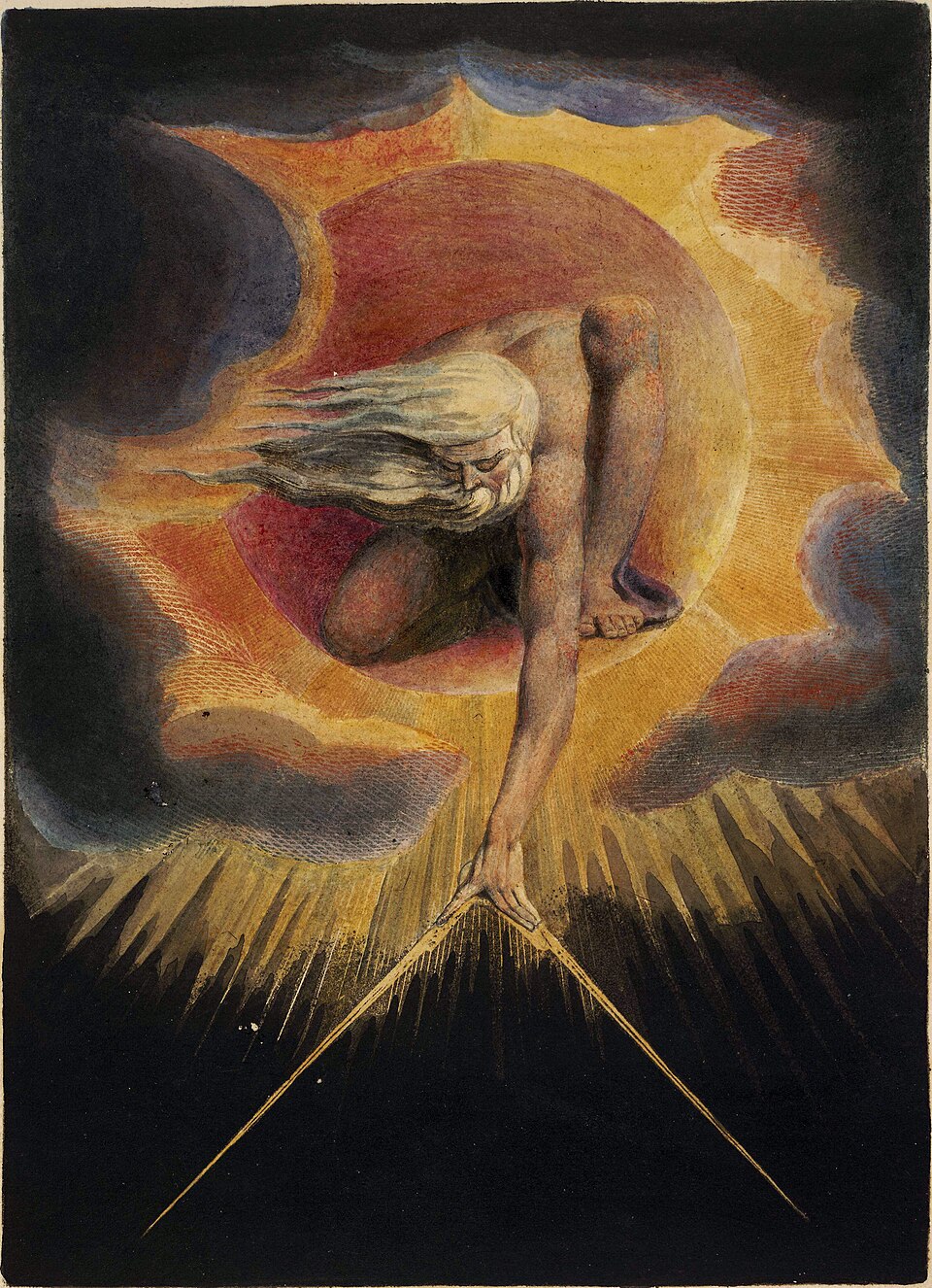
The hermeticism principles are seven universal laws the hermetic tradition holds govern everything from atoms to emotions to fate: Mentalism, Correspondence, Vibration, Polarity, Rhythm, Cause and Effect, and Gender. Each names a pattern the tradition claims operates identically at every scale of existence, so that understanding how one works in a teacup of water tells you something true about how it works in a marriage or a market. What follows is not a repeat of what a principle merely says, but what it asks of a person who actually tries to live by it.
The Seven Hermeticism Principles at a Glance
Before going deeper, it helps to see all seven laid out together, since the tradition insists they operate as one interlocking system rather than seven separate ideas competing for attention:
Mentalism holds that the universe is mental in nature — mind is not a byproduct of matter but the ground from which matter arises. Correspondence holds that patterns repeat across scale: as above, so below. Vibration holds that nothing is truly still; solidity is simply a rate of motion too fast to perceive. Polarity holds that opposites are the same thing at different degrees — hot and cold, love and hate, courage and fear sit on one continuum, not two. Rhythm holds that everything moves in and out, rises and falls, on a schedule that can be anticipated. Cause and Effect holds that nothing happens by accident, only by chains of causation most people never trace far enough back. Gender holds that active and receptive forces exist in everything, not only in biology — a principle the tradition applies to thought, creativity, and action long before it applies to sex.
Applying the Hermeticism Principles in Daily Life
Reciting the seven hermeticism principles from memory is easy; the tradition considers that the least useful part of studying them. What initiates actually train is the habit of noticing a principle operating in a real, specific moment — a difficult meeting, a recurring argument, a stretch of bad luck — and adjusting behavior in response, rather than treating the principle as a slogan to repeat when things go wrong.
With Mentalism, the practice is catching a thought before it hardens into a mood, since the tradition holds that sustained inner states eventually shape outer circumstance. With Correspondence, it is studying a small, private pattern — how you handle a minor disappointment — as a fair sample of how you will likely handle a larger one, rather than assuming the two are unrelated. With Vibration, it is recognizing that a low, heavy emotional state can often be shifted deliberately, through breath, movement, or music, rather than waited out passively. With Polarity, it is asking whether a fixed judgment — "I am a coward," "he is cruel" — might actually be one end of a spectrum you can move along with practice, rather than a permanent verdict.
With Rhythm, the discipline is expecting a difficult season to end on its own schedule and using the low point productively instead of panicking as though it were permanent. With Cause and Effect, it is the harder, less flattering work of tracing an unwanted result back through the actual chain of choices that produced it, instead of assigning it to chance. And with Gender, it is noticing when a situation calls for active, generative effort and when it calls for receptive, integrating patience — and supplying whichever one is missing rather than defaulting to the same approach every time.
"THE ALL is MIND; The Universe is Mental." — The Kybalion, on the Principle of Mentalism
Where the Hermeticism Principles Come From
The seven principles as most readers encounter them today were organized into that exact numbered list in 1908, in a slim book called The Kybalion, published anonymously under the byline "Three Initiates." This site examines the authorship question at length in its essay on the Kybalion's three initiates, but the short version matters here too: the 1908 authors did not invent these ideas from nothing. They compiled and numbered a current of thought already present in the Hermetica of late antiquity, texts traditionally attributed to Hermes Trismegistus, a legendary sage-figure blending the Greek Hermes and Egyptian Thoth. Echoes of correspondence, polarity, and rhythm also surface in Renaissance hermetic philosophy and in oral teachings the mystery school lineage claims were carried by initiates long before any of it reached print.
This history matters for a practical reason: it explains why the principles read less like the product of one clever mind and more like a distilled summary of observations many traditions converged on independently. A single author inventing seven laws would be a curiosity. Seven laws that keep resurfacing across unrelated cultures and centuries are, at minimum, worth testing seriously rather than dismissing as one book's marketing device.
The Hermeticism Principles Inside the Mystery School Tradition
Within the living lineage this site draws on, the seven hermeticism principles are not treated as a stand-alone curiosity but as the foundation underneath everything else that is taught — Kabbalah, sacred geometry, alchemy, healing work, and meditation all rest on the same seven laws applied to different material. A student learning sacred geometry is, in the tradition's own framing, studying Correspondence in visual form; a student learning breathwork is studying Vibration directly in the body. The principles function less like a syllabus item to memorize once and more like a grammar that recurs in every other subject the school teaches.
This is also why the tradition treats sustained practice, not a single reading, as the actual measure of understanding. The site's essay on meditation and spiritual awakening describes a related pattern: a discipline that looks unremarkable in a single session compounds into a genuine shift in perception only through repetition over months. The same holds for the seven principles. Reading a description of Rhythm does not teach a person patience; living through three or four real cycles while consciously tracking the principle does.
Common Misunderstandings About the Hermeticism Principles
The most common distortion flattens all seven into a single idea about positive thinking producing positive results — "think it and it will come." That borrows narrowly from Mentalism while quietly dropping the other six, including Cause and Effect, which places real responsibility on a person's actual choices, not merely their attitude, and Rhythm, which explicitly denies that any favorable state lasts forever without cultivation. A second distortion treats the principles as guarantees of specific outcomes — wealth, healing, romance — rather than as descriptions of how forces tend to move. The tradition is careful on this point: the principles describe patterns to work with skillfully, not promises that skillful work will produce any particular result on any particular timeline. Read this way, the seven hermeticism principles ask more of a student than a slogan does, and in the tradition's own account, that is precisely why they still reward serious study more than a century after they were first written down as a list.
Walk the Path of the Initiate
These teachings come alive in The Initiated — Paul Schulz's introduction to the living mystery school tradition.
Get the BookFrequently Asked Questions
What are the seven hermeticism principles?
The seven hermeticism principles are Mentalism (the universe is mental in nature), Correspondence (as above, so below), Vibration (nothing rests, everything moves), Polarity (everything has two poles, differing only in degree), Rhythm (everything flows out and back), Cause and Effect (nothing happens by chance), and Gender (masculine and feminine forces exist on every plane, not only the biological one).
Where do the hermeticism principles come from?
Their roots trace to the Hermetica of late antiquity, texts attributed to the legendary sage Hermes Trismegistus, and to older Egyptian and Greek wisdom traditions that fed into them. Their present seven-principle form was popularized in 1908 by The Kybalion, published under the pen name "Three Initiates," which organized older hermetic ideas into the numbered list most readers know today.
How do you apply the hermeticism principles in daily life?
Tradition treats each principle as a practice, not just an idea: watch your thoughts before they become circumstances (Mentalism), study your own patterns to understand larger ones (Correspondence), deliberately shift your emotional state before acting (Vibration), reframe a fixed judgment as one end of a spectrum (Polarity), expect and plan for cycles instead of resisting them (Rhythm), trace an unwanted effect back to its cause (Cause and Effect), and balance active and receptive approaches to a problem (Gender).
Are the hermeticism principles the same as the law of attraction?
They overlap but are not identical. The popular law of attraction borrows heavily from the Principle of Mentalism and, more loosely, from Vibration, but reduces seven interlocking laws to a single formula about wanting and receiving. The tradition treats the seven as a fuller, more demanding system — one that includes responsibility (Cause and Effect), patience (Rhythm), and integration of opposites (Polarity), not just favorable outcomes.
Do you need a teacher to understand the hermeticism principles?
You can read the principles on your own, and many people do. But the mystery school tradition holds that reading a principle and living it are different achievements, and that direct instruction — a teacher who can point out where you are misapplying a law in your own life — accelerates the gap between the two far more than solitary study alone.