Loreena McKennitt Dark Night of the Soul: The Real Poem She Set to Music
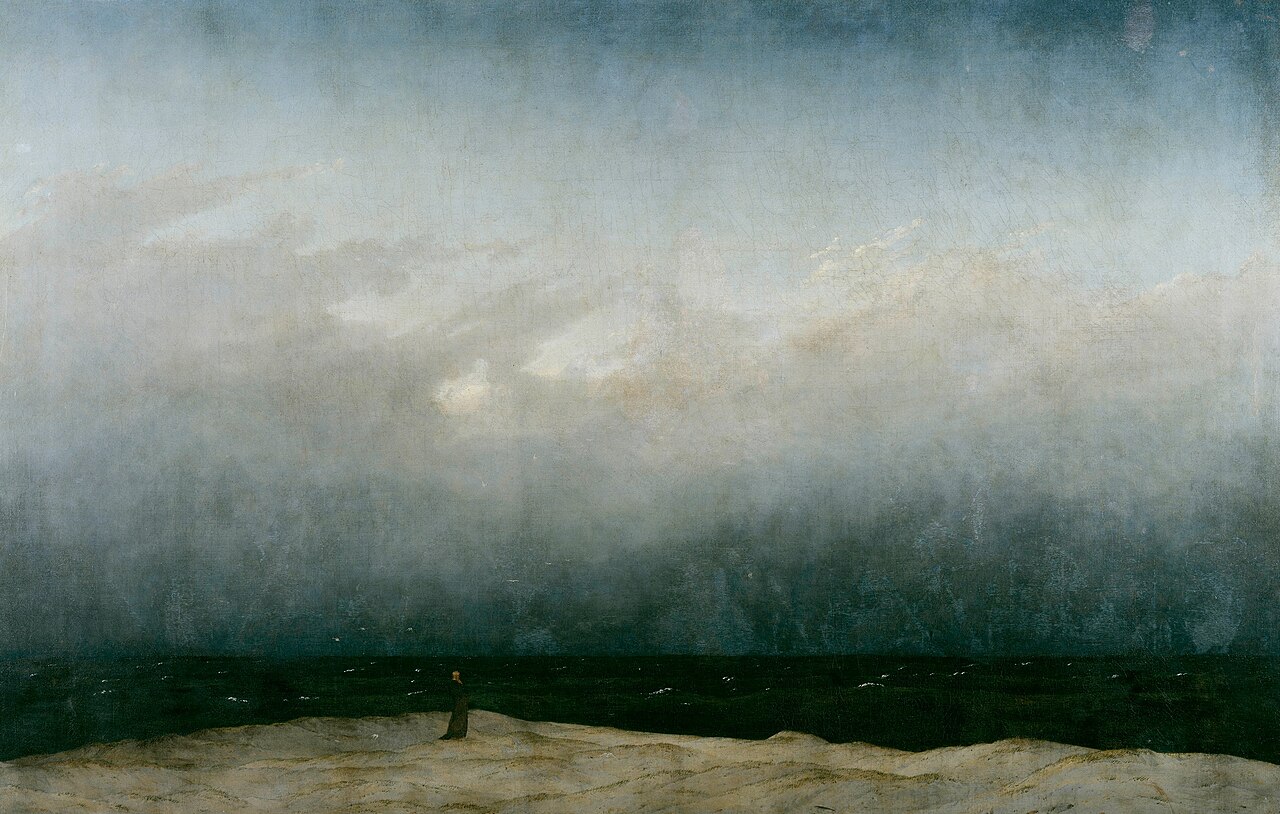
Loreena McKennitt Dark Night of the Soul is the name searchers give to track three on her 1994 album The Mask and Mirror — a six-and-a-half-minute piece for which she wrote no original lyric at all. The words are her musical setting of an English rendering of Noche Oscura del Alma, an eight-stanza poem written some four centuries earlier by a Spanish Carmelite friar who composed it, according to tradition, from inside a monastery prison cell. Knowing that changes what the song is. It is not McKennitt's confession of a dark season in her own life; it is a Canadian composer reaching back across four hundred years to give voice to someone else's.
Loreena McKennitt Dark Night of the Soul: Where It Sits on The Mask and Mirror
The Mask and Mirror was McKennitt's fifth studio album, released on March 15, 1994, and it marked a deliberate turn in her catalogue. Her earlier records had drawn mostly on Celtic sources — the harp-driven, British-Isles folk material that first built her audience. For this one, she went looking somewhere else: Spain and Morocco, and specifically the centuries in which Muslim, Jewish, and Christian communities lived in close, uneasy proximity on the Iberian peninsula. In her own liner notes she describes the project as looking through the window of fifteenth-century Spain at the interwoven hues of Judaism, Islam, and Christianity, and the album's other tracks range across Sufi poetry and courtly Spanish love songs to make that mixture audible. "Dark Night of the Soul" is the Christian mystical thread in that weave, sitting a few tracks from material touching Sufi devotion — two traditions of ecstatic renunciation, placed side by side on purpose.
The album version runs six minutes and forty-four seconds, built slowly around McKennitt's voice, and a shorter live recording, six minutes and twenty seconds, later appeared as a B-side on the 1997 single for "The Mummers' Dance," the song that would become her best-known crossover hit. Neither version changes the source text in any substantial way; the difference is arrangement and performance, not content.
The Poem Behind the Track: Who Actually Wrote These Words
The text McKennitt set to music belongs to St. John of the Cross, a sixteenth-century Spanish Carmelite whose full account of his own imprisonment and the poem it produced is worth reading on its own terms — this blog has covered the man behind the phrase in more depth elsewhere. In outline: he was seized by friars opposed to the reform movement he had joined, held for months in a cramped monastery cell in Toledo, and composed the poem's stanzas from memory before he ever had paper to write them down. The result is short — eight stanzas, none longer than five lines — and it moves in one clear arc: a soul slips from a sleeping house undetected, guided only by a light burning in its own heart, toward a union with a waiting Beloved.
The stanza most performances and settings return to is the poem's turn, the moment the soul stops merely enduring the darkness and begins to praise it:
"O night that guided me, O night more lovely than the dawn, O night that joined Beloved with lover, lover transformed in the Beloved!"
That line is the poem's whole argument in miniature, and it is the reason the text survives translation, arrangement, and four centuries of reuse without losing its force. The darkness in it is not an obstacle the soul had to get past. It is the very condition under which the joining happened — which is a different claim than most casual uses of "dark night of the soul" make, and one worth understanding before treating the phrase as a synonym for any hard season.
What Changes When a Song Compresses an Eight-Stanza Poem
Setting a devotional poem to music for a five-to-seven-minute track necessarily does something a printed page does not: it repeats, slows, and reorders. McKennitt's arrangement follows an English rendering of the Spanish closely enough that the poem's central images survive — the sleeping house, the guiding light, the night addressed directly and thanked rather than cursed — but a song built for melody has to choose which images to dwell on and which to pass through quickly. Readers who go looking for a word-for-word match between the recording and any single printed translation will find close paraphrase rather than an exact transcript, which is normal for a musical setting and not a flaw in either the song or the source.
What the song does preserve, and what matters most for anyone who found the phrase through McKennitt rather than through a seminary reading list, is the poem's tone. It is not mournful. The vocal delivery leans toward reverence and even yearning, which tracks the original far better than the popular, flattened use of "dark night of the soul" as a stand-in for any period of suffering. St. John of the Cross was not describing suffering for its own sake. He was describing a night he came to love, because of where it led.
Loreena McKennitt Dark Night of the Soul as a Doorway Into an Older Tradition
Songs are how most people meet material like this before they meet the source. That is not a complaint about the song — it is exactly what a good setting is for. A listener drawn in by six minutes of McKennitt's voice on The Mask and Mirror is a listener one step from an eight-stanza poem that has shaped Christian mystical writing, Carmelite spirituality, and — through later borrowings — the whole vocabulary the modern world uses for spiritual crisis, from theology to therapy to casual conversation. The mystery schools that this site writes about read the poem the same way they read comparable passages elsewhere in the initiatory literature: not as a record of misfortune, but as a description of method. Something is cleared away — comfort, certainty, felt closeness — so that something less breakable can take its place. That is a harder, more specific claim than "she went through something dark," and it is the claim the actual poem makes.
If the song is where you arrived, the poem is worth going back to directly, and the life that produced it — a friar composing verses from memory in a locked cell rather than at a writing desk — makes the eventual serenity of those closing stanzas considerably more remarkable than the pretty melody alone conveys.
Walk the Path of the Initiate
These teachings come alive in The Initiated — Paul Schulz's introduction to the living mystery school tradition.
Get the BookFrequently Asked Questions
Did Loreena McKennitt write Dark Night of the Soul herself?
No. She composed and arranged the music, but the words are her setting of a translated version of Noche Oscura del Alma, an eight-stanza poem written by the 16th-century Spanish Carmelite friar St. John of the Cross. The song credits reflect an arrangement of a historical text, not an original lyric.
What album is Dark Night of the Soul on?
It is track three on The Mask and Mirror, released March 15, 1994, McKennitt's fifth studio album. A shorter live version also appeared as a B-side on her 1997 single The Mummers' Dance.
Why did Loreena McKennitt choose a Spanish mystic's poem for this album?
The Mask and Mirror grew out of research trips to Spain and Morocco, and McKennitt has described the record as a look through the window of 15th-century Spain at the overlapping threads of Judaism, Islam, and Christianity that met there. St. John of the Cross wrote from inside that same Spanish mystical current, making his poem a natural fit for the album's wider theme.
Is the song a direct translation of the original poem?
It follows an English rendering of the Spanish original closely enough that the poem's core images — a soul slipping from a sleeping house, a night praised rather than merely endured — survive intact, though a song built for melody and repetition necessarily compresses and reorders a text meant to be read stanza by stanza.
What does the phrase dark night of the soul actually mean in the original poem?
In St. John of the Cross's own use, it names a stripping-away that clears a soul of everything it has relied on for comfort, so that what remains can be joined to something it could not have reasoned its way toward. The tradition reads it as purification rather than punishment — a passage, not a verdict.