Solomon Becomes King: How David's Son Took Israel's Throne
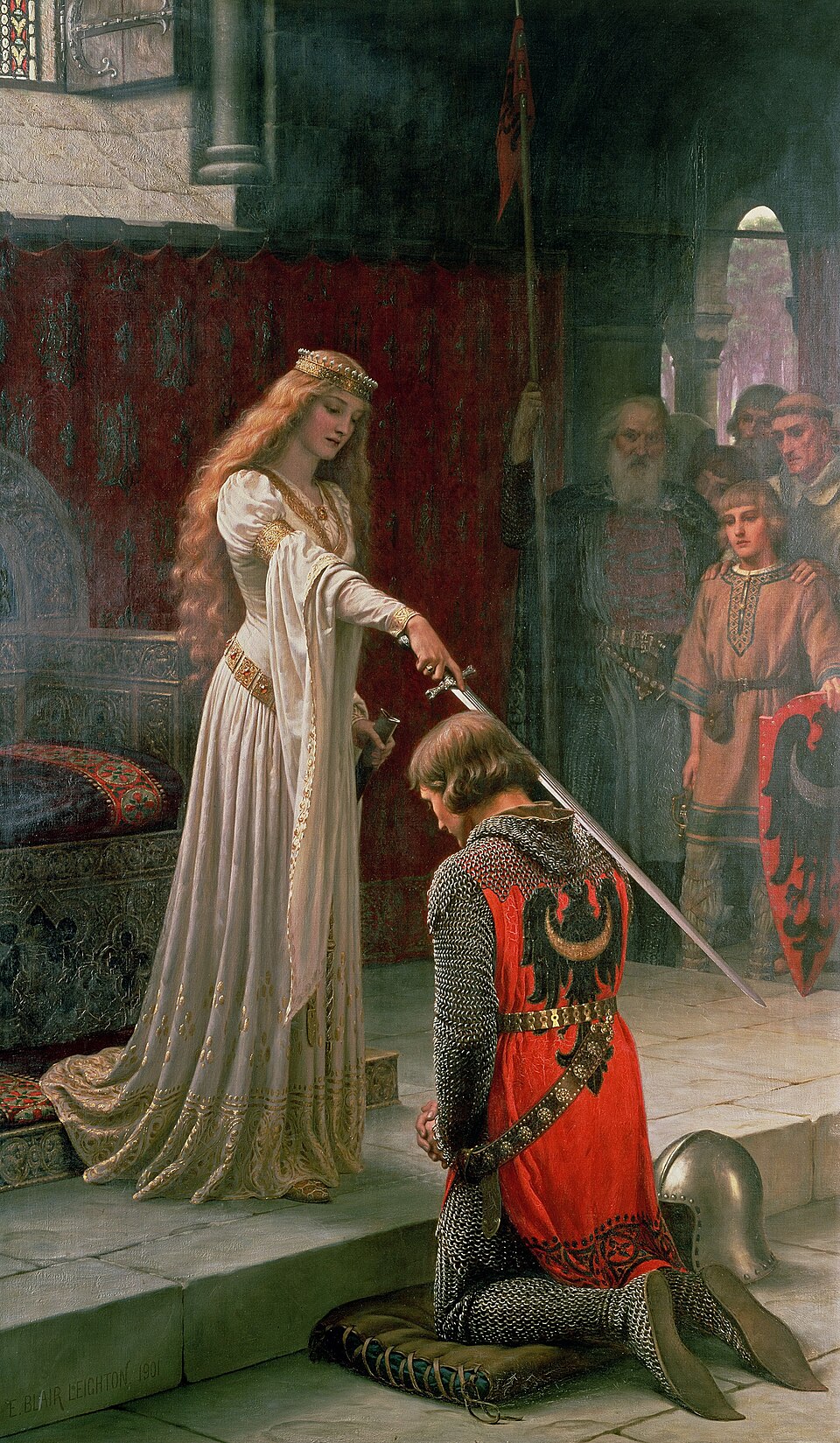
Solomon becomes king in a single, frantic day near the end of his father's life, anointed at the Gihon spring while a half-brother's attempt to seize the throne was already under way across the valley. It was not the planned, ceremonial transfer of power later tradition sometimes imagines. It was a last-minute maneuver — forced by an old king's failing strength, a prophet's warning, and a mother who understood exactly how little time was left to act. What follows the anointing itself, in the opening chapters of 1 Kings, is just as telling as the ceremony: a new king spending his first acts on the throne making sure it would actually hold.
Most retellings stop at the anointing, as though a splash of oil settled the matter. Scripture does not read it that way. Solomon's succession unfolds in two movements — the emergency coronation itself, and the reckoning that followed it — and both belong to the honest answer of how he became king.
The Day Solomon Becomes King: A Ride to the Gihon Spring
By the opening of 1 Kings, David is old and failing, unable even to stay warm without a young attendant, Abishag the Shunammite, lying beside him. A visibly failing king is a vacuum every court moves to fill, and David's son Adonijah — the eldest surviving son, after Amnon and Absalom had both died — moved first. He gathered chariots and horsemen, recruited fifty men to run ahead of him as a king's retinue would, and secured the backing of two of the most powerful men in David's government: Joab, his longtime army commander, and Abiathar, one of his two priests.
Adonijah staged a sacrificial feast at En-rogel, a spring just outside Jerusalem, and invited his brothers and the king's officials — everyone except Solomon, the prophet Nathan, the priest Zadok, and Benaiah, commander of David's personal guard. The guest list told the story: this was a coronation feast dressed as a sacrifice, already in motion when word of it reached the household it had deliberately excluded.
Why the Timing Mattered: Adonijah's Unfinished Coup
Nathan moved before Adonijah's feast could finish. He sent Bathsheba to David first, to remind the king of an earlier private promise that Solomon, not an older half-brother, would succeed him; Nathan then arrived to confirm her account and press the point. David did not deliberate. He swore the promise was real, summoned Zadok, Nathan, and Benaiah, and gave an order meant to outrun events already unfolding across the city: put Solomon on the king's own mule, take him down to Gihon, and anoint him there, that same day.
Adonijah's feast and Solomon's anointing were happening within the same hour, on opposite sides of a short valley. Whichever coronation finished first, and whose trumpet the city actually heard, would decide Israel's government for the next forty years. Solomon did not simply inherit a throne that was waiting for him. He won a contested one, by minutes.
Anointed, Not Simply Appointed: What the Ceremony Required
Zadok did not improvise the ceremony. He took a horn of oil from the sacred tabernacle itself — not an ordinary vessel, but the one reserved for consecrating what scripture treats as holy — and anointed Solomon at the spring, after which a trumpet sounded and the gathered crowd cried out, "God save king Solomon." The text is specific about the order of events: anointing, then acclamation, then a procession back into the city loud enough that Adonijah's own guests heard it from across the valley and understood immediately what it meant.
"And Zadok the priest took an horn of oil out of the tabernacle, and anointed Solomon. And they blew the trumpet; and all the people said, God save king Solomon." — 1 Kings 1:39, KJV
That noise did the political work no decree could have matched. Joab, seated at Adonijah's feast, heard the trumpet and asked what the uproar meant before anyone answered — he already suspected. When Jonathan, son of Abiathar, confirmed that Solomon sat anointed on David's own throne, Adonijah's guests scattered in fear, and the feast that had looked, an hour earlier, like the opening of a new reign dissolved into a man alone, running for the altar to claim sanctuary.
Four Reckonings: How Solomon Made the Throne Actually His
A coronation is not the same as a secured throne, and 1 Kings treats the distinction seriously. Solomon's first act as king was mercy with conditions: told that Adonijah had seized the horns of the altar in terror, he sent word that no hair of his head would fall if he proved himself loyal, and had him sent home unharmed. It did not last. Once David had died and Solomon ruled in his own name, Adonijah asked — through Bathsheba — to marry Abishag, the young woman who had attended the old king in his final illness. Solomon read the request as a renewed claim on the throne, not a private romance, and had him executed for it.
Three further reckonings followed in the same chapter, each tied to unfinished business from David's reign rather than any new offense against Solomon. Abiathar the priest, who had backed Adonijah, was stripped of his office and sent to his own fields — a demotion, not an execution, which the text frames as fulfilling an old prophecy against his family line. Joab, who had also sided with Adonijah, fled to the altar exactly as Adonijah had, but carried decades of bloodguilt David had never settled, for killing two rival commanders in peacetime; Solomon had him put to death there rather than let the matter outlive David's reign. And Shimei, who had cursed David during Absalom's revolt, was confined to Jerusalem under oath for years before he broke it — at which point Solomon closed the account his father had left open.
Read together, the four episodes are less a purge than a settling of ledgers Solomon inherited with the crown. What he built once that settling was finished — the administrative kingdom stretching, by the text's own claim, from the Euphrates to Egypt's border — only became possible because the throne beneath it was no longer contested from within his father's own court.
David's Final Charge to the New King
Before those reckonings played out, David gave Solomon a last instruction scripture treats as the true transfer of authority, more than the oil or the trumpet. "Be thou strong therefore, and shew thyself a man," David tells him in 1 Kings 2, "and keep the charge of the LORD thy God, to walk in his ways, to keep his statutes... that thou mayest prosper in all that thou doest." It is a charge about character before it is a charge about power — the deathbed instruction of a father who had seen one son die in rebellion and another nearly steal the crown. The fuller story of David and Solomon's relationship, including the Temple David could plan but never build, fills in what came before this final scene.
What the Mystery Tradition Reads Into a Throne Won, Not Just Inherited
The lineage I teach traces its own written memory back to King Solomon by name, naming him its founding Initiate rather than merely a wise ruler who happened to sit on a throne. Read inside that frame, the contested manner of his coronation is not an embarrassing footnote — it is closer to the pattern the tradition expects. Authority that matters is rarely handed over cleanly. It has to survive a rival's claim, and then be actively defended once the ceremony is over, the way Solomon spent his first chapter as king settling four reckonings before he built anything at all. The oil at Gihon made him king in name within an hour. What the tradition calls the deeper work — making that authority real and earned — took the rest of that chapter, and in a different sense, the rest of his reign.
Walk the Path of the Initiate
These teachings come alive in The Initiated — Paul Schulz's introduction to the living mystery school tradition.
Get the BookFrequently Asked Questions
How did Solomon become king?
Solomon became king when his father David, old and dying, learned that his son Adonijah was moving to crown himself without consent. David had Solomon placed on the royal mule and taken to the Gihon spring, where the priest Zadok anointed him and the people acclaimed him king while David still lived, cutting off Adonijah's attempt before it could stand.
Why was Solomon anointed in a rush rather than through a planned ceremony?
The timing was forced. Adonijah had already gathered chariots, runners, and the backing of two powerful men from David's court, and was holding a coronation feast of his own at En-rogel when Nathan and Bathsheba reached David. Solomon's anointing at Gihon happened the same day, as the only way to settle the succession before Adonijah's feast turned into an irreversible claim on the throne.
What happened to Adonijah after Solomon became king?
Solomon spared him at first, on the condition that he show himself loyal. Adonijah later asked, through Bathsheba, to marry Abishag, the woman who had attended David in his final illness — a request Solomon read as a renewed claim on the throne through a symbol of his father's household, and had him executed for it.
Why did Solomon have Joab and Shimei killed once he was king?
Both deaths are presented in 1 Kings 2 as unfinished business from David's own reign rather than new grievances. David charged Solomon on his deathbed to deal with Joab's old bloodguilt for killing two commanders in peacetime, and with Shimei, who had cursed David during Absalom's revolt. Solomon let Shimei live under a sworn restriction for years before acting, once the oath was broken.
How old was Solomon when he became king?
Scripture never states his exact age. The text does call him young and inexperienced in his own prayer at Gibeon, and later Jewish tradition, reflected in the Seder Olam Rabbah, places him at around twelve — though most historians treat that figure as a traditional estimate rather than a recorded fact.