Spiritual Awakening Guide: How to Navigate Every Stage of the Process
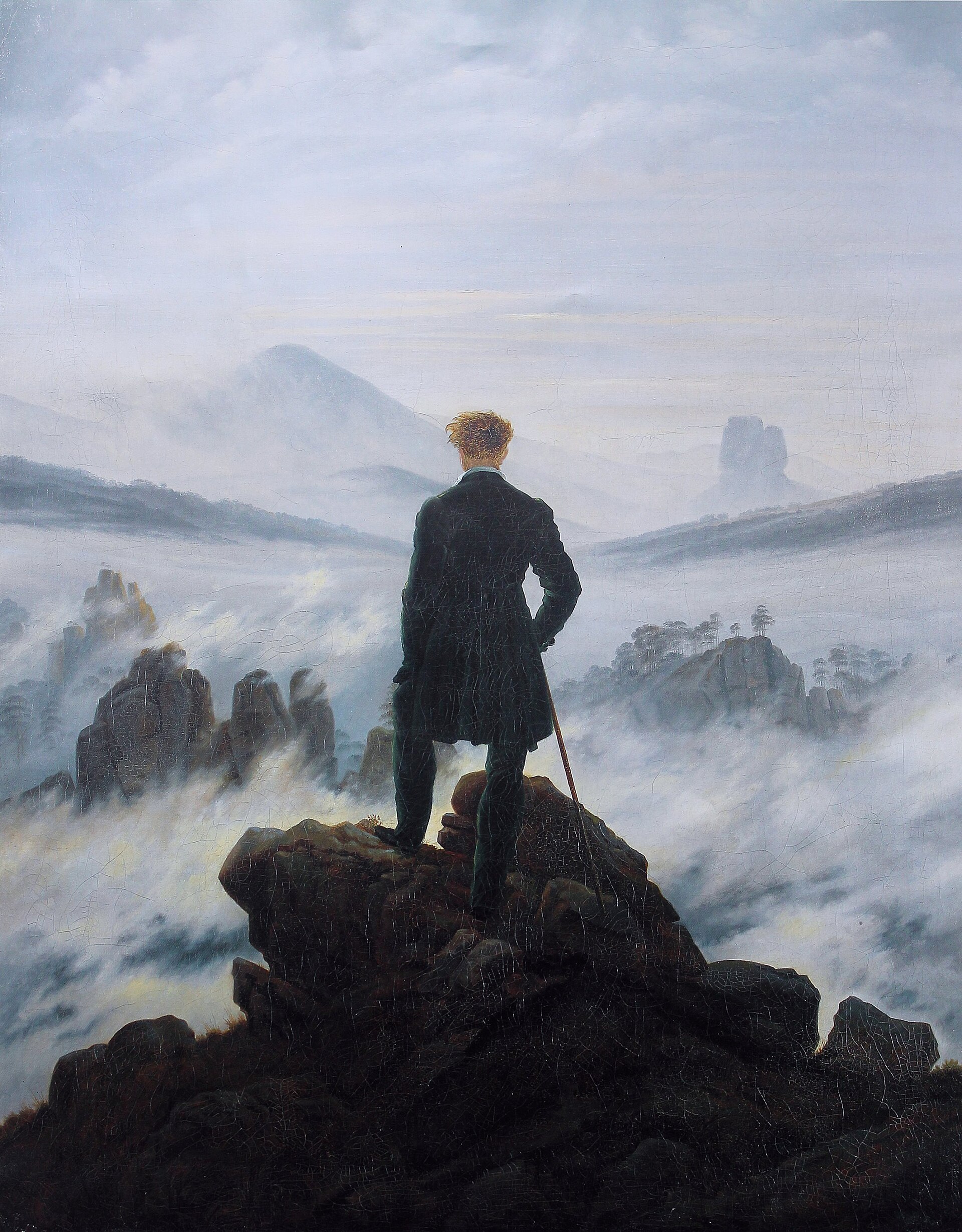
A spiritual awakening guide worth following does three things: it tells you what is actually happening to you, it maps what tends to come next, and it gives you something concrete to do with your days while the process runs its course. Most of what circulates online stops at the first part — naming the symptoms — and leaves a person to improvise the rest. The mystery school tradition has spent centuries doing the opposite: treating awakening as a known territory with recognizable landmarks, common wrong turns, and a structure of practice built specifically to carry someone through it without losing their footing.
This essay is that structure, laid out plainly. It does not promise a fixed number of weeks or a particular outcome, because the tradition does not make those promises either. What it offers instead is orientation: where you likely are, what tends to happen next, which habits help, which habits quietly cause harm, and when outside guidance stops being optional and starts being necessary.
Start by Naming Where You Actually Are
Before any technique, a real spiritual awakening guide asks a diagnostic question: are you at the beginning, the middle, or the far side of this process? The beginning usually looks like disturbance — an unease with a life that once felt adequate, a hunger for meaning that has no obvious object yet, a quiet suspicion that something essential has gone unaddressed for years. The middle is dismantling: old beliefs, relationships, or roles that no longer fit begin to loosen, sometimes gracefully and sometimes all at once, and this stage is routinely mistaken for a breakdown rather than a passage. The far side is integration — the point at which a wider sense of self starts to hold steady in ordinary life rather than surfacing only in meditation or crisis.
Naming your stage matters because the right response changes with it. A person at the beginning mostly needs patience and honest attention, not more stimulation. A person in the middle needs stability and support more than new techniques. A person integrating needs practice that is sustained rather than urgent. Treating all three stages the same way — usually by throwing more intensity at the problem — is where a surprising number of avoidable difficulties begin.
Build a Daily Structure Before You Chase a Breakthrough
The single most practical piece of advice any serious teacher gives is unglamorous: build structure before you go looking for more experience. A short daily meditation practice, even ten quiet minutes, trains the mind to observe what is happening rather than be swept by it. Time outdoors and ordinary physical movement keep the nervous system from running on adrenaline alone, which matters enormously once the emotional volume of an awakening rises. Honest conversation with at least one steady person — a friend, a partner, a teacher — keeps the process from curdling into isolation, which the tradition regards as one of the more reliable ways an awakening goes wrong.
None of this is the dramatic part of the journey, and that is exactly the point. The tradition holds that a stable awakening is built from unremarkable daily habits practiced consistently, not from a single transformative weekend. Journaling what arises — dreams, sudden insights, emotional waves — without immediately interpreting it is also widely taught, because it preserves the raw material of the process for a clearer look later, once the intensity has passed.
Recognize When the Process Intensifies
For some people, awakening stays relatively gentle: a slow widening of perspective with no single dramatic turning point. For others, it intensifies into something the tradition has specific names for. A rising of latent energy through the body's subtler systems is what initiates call kundalini spiritual awakening, and it can bring physical sensation, emotional flooding, and altered perception that a person without context easily mistakes for illness. A severe collapse of old meaning and identity, often preceding the deepest part of the shift, is what the tradition calls dark night of the soul spiritual awakening — and recognizing this phase for what it is, rather than panicking inside it, is one of the most valuable things a guide can offer.
Neither of these intensified forms means something has gone wrong. The tradition treats them as the process working at full strength rather than a warning sign, though it is equally clear that intensity is exactly when outside support matters most. A person navigating a strong kundalini rise or a long dark night alone is navigating blind; a person doing the same with an experienced guide has someone who has already mapped that particular stretch of ground.
The Mistakes Initiates Warn Against Most
Three habits recur often enough across the tradition's long experience with this process to be worth naming directly. The first is forcing: piling on technique after technique in search of a bigger, faster experience, which tends to produce overwhelm rather than progress. The second is isolating: withdrawing from ordinary relationships and responsibilities in the name of spiritual focus, which starves the very support structure a person needs most during disorientation. The third is bypassing: using spiritual language and peak experiences to avoid dealing with an unresolved emotional wound or a body that has been neglected for years, which the tradition treats as postponement rather than progress.
Against all three, the corrective is the same: steadiness. The tradition consistently values a slow, well-supported unfolding over a fast, unsupported one, on the grounds that what is gained quickly without a foundation tends to be lost just as quickly once ordinary life resumes its demands.
What a Teacher Actually Adds
Within the mystery school tradition, guidance is not treated as a convenience but as a structural part of the process. Initiation, in this framework, is understood as more than instruction — it is described as a direct energetic alignment with a lineage of accumulated practice, said to open faculties that solitary effort alone struggles to reach. A teacher's practical value is more modest and more verifiable: they have already seen dozens or hundreds of people pass through the exact disorientation a given student is currently facing, and they can usually tell, faster than the student can, whether a given symptom is the process working or a signal that something else needs attention.
This is also where the lineage behind a guide matters. The tradition traces its own transmission through wisdom associated with King Solomon and, in oral memory, further back still to Hermes Trismegistus — not as a claim that needs to be taken on faith to be useful, but as a way of saying that the map being handed down has been tested and refined across an unusually long stretch of time, rather than assembled from a single person's recent experience.
How to Know the Process Is Stabilizing
Stabilization does not announce itself with fireworks. The tradition describes it as a quiet accumulation: the gap between being pulled away from an expanded awareness and returning to it gets shorter, old triggers lose some of their grip, and a widened perspective starts showing up in ordinary moments — a difficult conversation, a frustrating commute — rather than only during meditation or crisis. A reliable sign worth watching for is a growing pull toward usefulness: initiates consistently report that as the dust settles, they feel drawn outward, toward easing someone else's burden or sharing what they have learned, not as an obligation but as the natural next motion of a process that began by looking inward.
That outward turn is, in the tradition's own account, the real endpoint of a spiritual awakening guide — not a permanently blissful state, which no serious teacher promises, but a durable, repeatable return to a wider sense of self that eventually reshapes how a person moves through an ordinary day.
Walk the Path of the Initiate
These teachings come alive in The Initiated — Paul Schulz's introduction to the living mystery school tradition.
Get the BookFrequently Asked Questions
What is the very first step in a spiritual awakening guide?
The first step is orientation, not practice: naming what is actually happening before trying to fix or accelerate it. Most people reach for techniques while still confused about whether they are awakening, exhausted, or in crisis. The tradition insists that clarity about which season you are in comes before any method, because the wrong method applied to the wrong season tends to do harm rather than good.
Do I need a teacher to go through a spiritual awakening?
Not strictly, but the tradition is blunt about the cost of going without one: progress tends to be slower, blind spots stay blind, and intense experiences like a kundalini rise or a dark night have no one to help interpret them while they are happening. A teacher does not do the inner work for you; they shorten the time you spend lost, and they catch what you cannot see in yourself.
What should I avoid doing during a spiritual awakening?
Initiates warn against three habits in particular: forcing the process through excessive technique in search of a bigger experience, isolating yourself from ordinary relationships and responsibilities in the name of spirituality, and chasing peak states while neglecting the body that has to carry you through the rest of your life. The tradition treats steady integration as more valuable than intensity.
How long does following a spiritual awakening guide actually take?
There is no fixed timeline, and the tradition resists promising one. Some initiates describe a core shift unfolding over a single season of crisis and insight; others describe decades of gradual deepening with no dramatic turning point at all. What a guide can offer is not a schedule but a map, so that wherever a person is on it, they recognize the terrain rather than mistaking it for being lost.
Can I navigate a spiritual awakening alone, with no tradition at all?
People do it, and some manage well, but the tradition's long experience with this process is precisely why it exists: centuries of initiates have already mapped the stages, named the dangers, and worked out what actually stabilizes a person afterward. Going alone means re-discovering, often the hard way, what a lineage has already recorded.