True Spiritual Awakening: How to Tell It From the Imitation
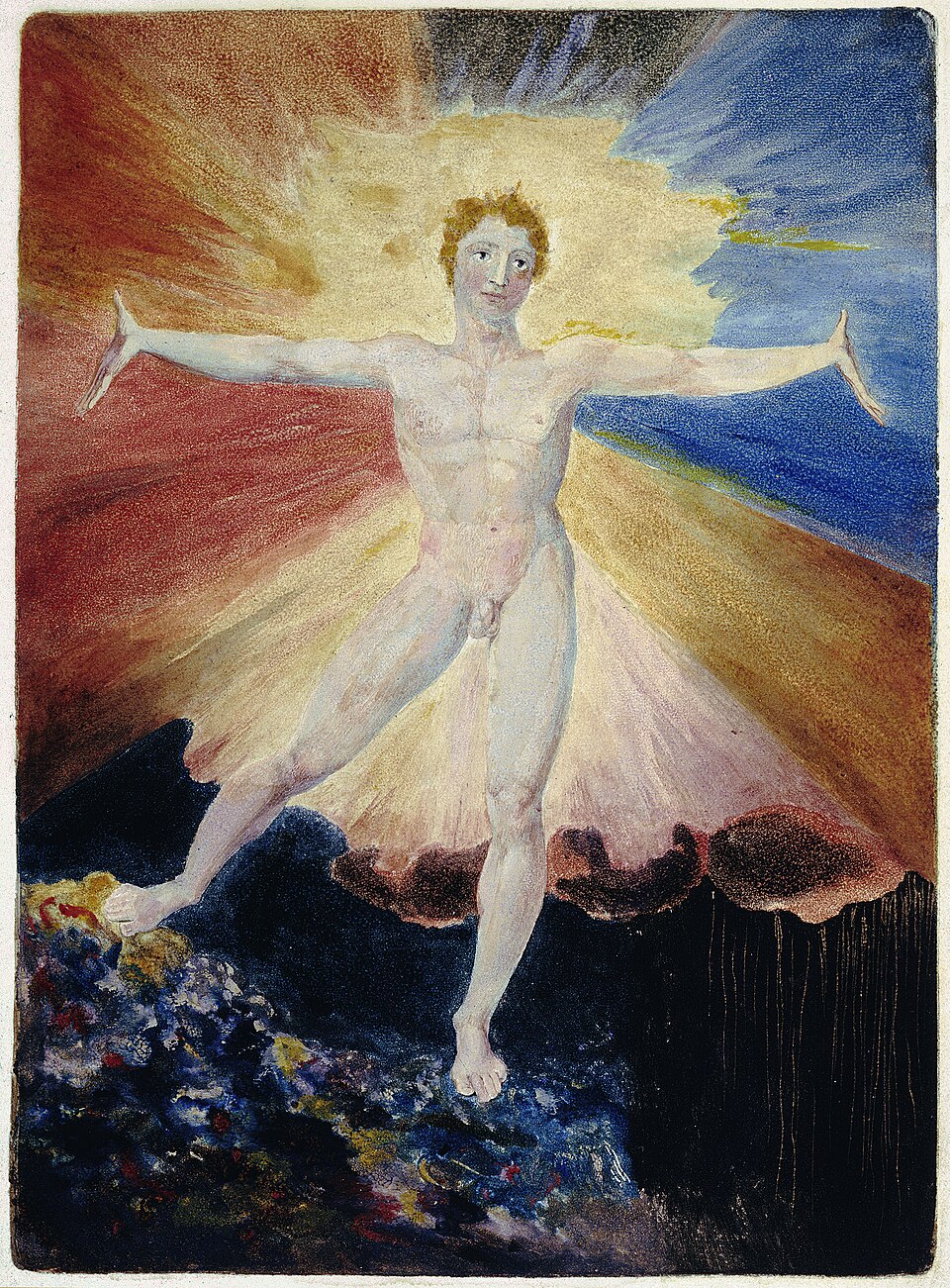
A true spiritual awakening is not measured by how overwhelming the experience felt, how certain the person suddenly became, or how fast their vocabulary changed afterward. The tradition measures it by what survives, unforced, once the intensity has passed and ordinary life resumes. A powerful experience can imitate nearly every outward sign of awakening — tears, insight, a sense of belonging to something vast, even a temporary dissolving of the self. What it cannot imitate, at least not for long, is a changed way of treating the people closest to the one who had it. That single distinction, more than any dramatic symptom, is how initiates have always separated a true spiritual awakening from its far more common counterfeit.
This matters because the phrase has drifted. Online, almost any striking inner experience now gets called an awakening — a psychedelic journey, a breakup, a long illness, a single good meditation sit. Each of those can genuinely open a door. None of them, by itself, proves the door was walked through. The mystery schools have spent centuries training people to make exactly this distinction, because mistaking an opening for a completion is one of the oldest and most costly errors on the path.
What True Spiritual Awakening Actually Means
Within the tradition, awakening names a shift in what a person takes to be real about themselves — from the accumulated story of personality, wounds, and roles to something steadier underneath it, often described as a divine or eternal nature wearing that personality for a season. The decree behind the whole discipline, inherited from antiquity, is simply "Know Thyself." A true spiritual awakening is what begins to happen the moment that decree stops being a quotation and starts being a daily practice of honest self-observation.
Crucially, the tradition has never treated the word as a synonym for feeling good, feeling special, or feeling certain. Those sensations can accompany real awakening, but they can also accompany exhaustion, suggestion, or simple relief after a hard season ends. Initiates are trained to ask a harder question than "did something happen to me" — namely, "what is different in how I act, three months after it happened, when no one is watching and nothing dramatic is underway."
The Ego's Favorite Disguise: Awakening as Performance
The hardest part of this discernment is that the ego does not disappear the moment someone starts using spiritual language — it relocates. A person can describe their awakening in the most humble-sounding terms available and still be using the story to feel superior to people who have not had one. This shows up as an unspoken ranking of who is "further along," a hunger for an audience whenever insight arrives, or a quiet pleasure in being seen as the wounded, sensitive, or chosen one in a room.
Ritual Master training within the mystery schools names this directly as the central difficulty of the whole path: to conquer the challenges of the outside world, a person must first conquer a far more demanding opponent who resides within — the ego, which does not surrender ground easily and is perfectly willing to dress itself in the vocabulary of transformation if that is what currently earns attention. A true spiritual awakening confronts this opponent rather than recruiting it as a new costume.
How the Tradition Tells True Spiritual Awakening From Its Imitations
The tradition's name for the faculty that makes this call is discernment — trained, not inherited, and treated as one of the more demanding developments a student undertakes, because it requires turning the same honest attention on one's own motives that one would readily turn on someone else's. A teacher does not simply take a student's report of transformation at face value; the report is weighed against months of observed behavior.
"Ye shall know them by their fruits." — Matthew 7:16, KJV
That old test of fruit over claim is exactly the one the mystery schools still apply. Fruit, in this sense, is not a single generous act performed for an audience. It is consistency: the same patience shown to a stranger and to a spouse, the same honesty offered in private as in public, the same calm present during an ordinary Tuesday as during the memory of the original experience. Imitation awakening tends to be loud in the retelling and inconsistent in the living. A true spiritual awakening tends to run the other way — quieter in the retelling, steadier in the living.
A Single Peak Experience Is Not the Same as Integration
Even a genuine opening has to be metabolized before it counts as a true spiritual awakening rather than a vivid memory. The tradition calls this integration, and it is unglamorous work: journaling what the insight actually asked of a person, testing it against real relationships, letting a teacher or a trusted community push back when the new self-image starts drifting toward fantasy. The Hermetic axiom that what is above must correspond with what is below captures this requirement precisely — an inner conviction that never rearranges the outer, daily texture of a life has not yet come down to earth, and the tradition is reluctant to call it finished until it does.
This is also why initiates are warned against chasing ever more intense experiences in search of proof that the awakening "really happened." The chase itself is often the ego looking for a bigger show, and it tends to produce diminishing returns — more disruption, less integration, and a widening gap between what a person claims and what the people around them actually observe.
The Cautionary Shape of a Wisdom That Wasn't Finished
History offers no sharper illustration of this gap than Solomon himself, the very figure this tradition traces its deepest wisdom teachings to. He was granted, by the account scripture gives, an extraordinary measure of insight early in his reign — and still spent the decades of his reign that followed drifting, by stages, into exactly the compromises that insight should have prevented. A single profound gift, however real, did not exempt him from the ordinary, lifelong labor of living up to it. The tradition reads this less as a condemnation of Solomon than as a warning preserved in the clearest possible example: illumination granted is not the same as character completed, and the distance between the two closes only through sustained practice, never through the memory of the original grant alone.
What a Teacher or Lineage Actually Tests For
This is the practical reason the mystery schools have always paired awakening with a teacher, a lineage, or an initiatory structure rather than leaving each person to judge their own experience alone. A teacher provides what a private mind struggles to provide for itself: an outside vantage point that notices the gap between story and behavior, and enough relationship to say so without the student simply walking away.
What a genuine lineage tests for, across time rather than across a single conversation, is remarkably consistent: whether humility is increasing or specialness is increasing, whether service to others is growing or the need to be witnessed is growing, and whether the person can sit through ordinary boredom and ordinary conflict without reaching for the old escapes. A true spiritual awakening tends to pass all three tests slowly and unevenly, the way anything real grows. An imitation tends to pass none of them for long, however convincing it sounded on the night it arrived.
Walk the Path of the Initiate
These teachings come alive in The Initiated — Paul Schulz's introduction to the living mystery school tradition.
Get the BookFrequently Asked Questions
How can I tell if my spiritual awakening is real?
Watch what happens after the intensity of the experience fades, not during it. A true spiritual awakening shows up weeks and months later as patience with a difficult relative, honesty about a habit you had excused for years, or a quieter reaction to being criticized. If the insight produced no change in how you actually treat people once the glow wore off, the tradition would call that a powerful experience rather than a completed awakening.
What is spiritual ego, and how is it different from a true awakening?
Spiritual ego is the same self-importance that existed before, now wearing the vocabulary of awakening instead of the vocabulary of ordinary ambition. It shows up as feeling more enlightened than other people, needing an audience for one's insights, or treating sensitivity and crisis as proof of special status. A true spiritual awakening tends to move in the opposite direction, toward quieter humility and less need to be seen as transformed.
Can a powerful spiritual experience be fake or just imagined?
The experience itself is rarely fabricated — altered states, overwhelming emotion, and vivid insight are real and well documented. What can be mistaken is the meaning assigned to it. The tradition's concern is not whether something happened, but whether it is mistaken for a finished transformation when it was, in fact, an opening that still requires months or years of integration to become a true spiritual awakening rather than a memorable night.
Does a true spiritual awakening make someone feel special or chosen?
Initiates describe the opposite trajectory. An authentic awakening tends to dissolve the sense of being exceptional rather than confirm it, replacing the need to stand apart with a felt kinship with other people's struggles. A conviction of being chosen, superior, or uniquely burdened with a mission is treated by the tradition as a warning sign that the ego has simply relocated into spiritual language, not evidence of depth.
How long does it take to know if an awakening was real?
Longer than most people want to wait. The tradition generally asks for evidence across a full cycle of ordinary difficulty — a conflict handled differently, a temptation declined, a season of boredom survived without reaching for the old escape — rather than evidence from the days immediately following the experience, when almost anyone feels changed.