Dark Night of the Soul Spiritual Awakening: Why One Leads to the Other
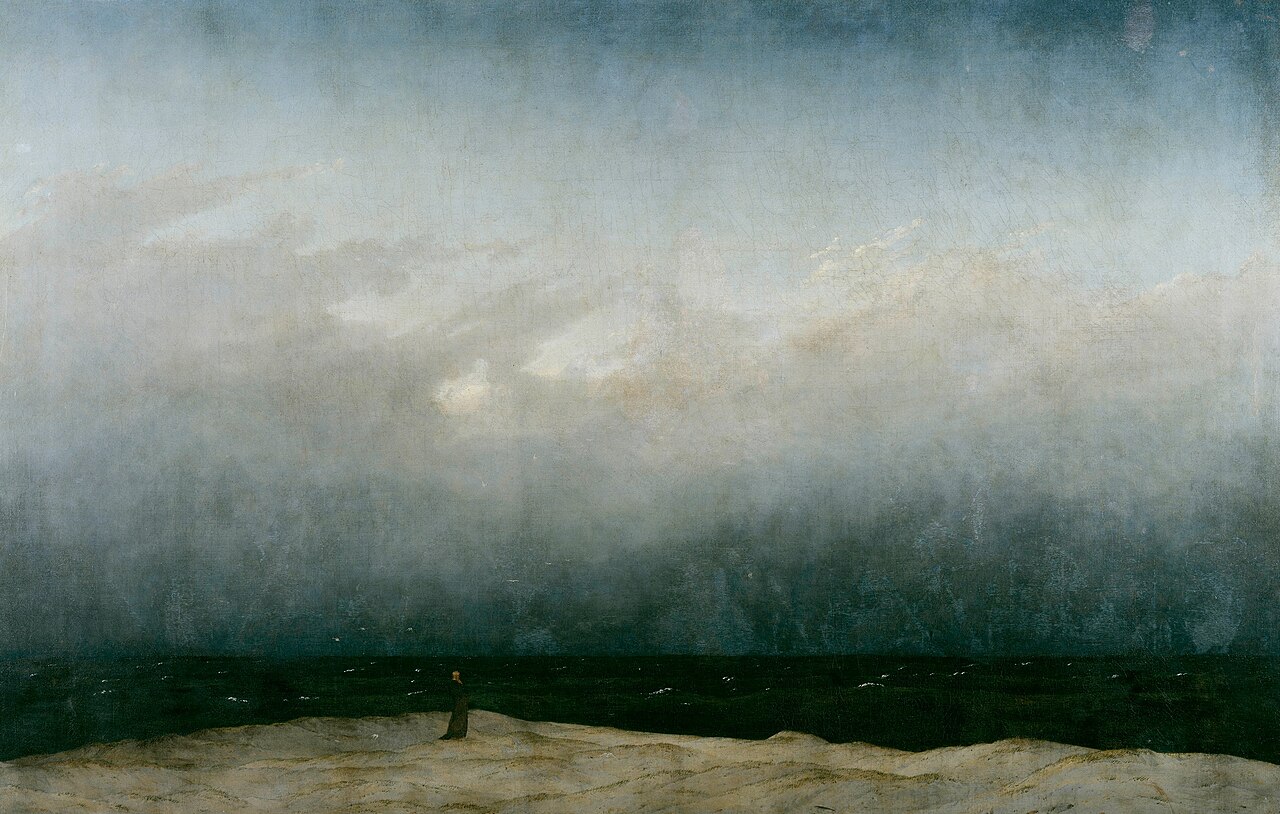
Dark night of the soul spiritual awakening is usually typed as a single search because the two experiences are, in the tradition's account, phases of one process rather than two separate events. The dark night is the collapse — the dissolution of the false self and the comforts built around it. The spiritual awakening is what that collapse is clearing room for. One rarely arrives without the other following close behind, though months or years can separate them, and mistaking the darkness itself for failure is the most common way people miss what it was actually doing.
Two Phrases for One Process
St. John of the Cross, the sixteenth-century Carmelite friar who gave the dark night its name, never used the phrase "spiritual awakening." He wrote of purification — the senses stripped of consolation first, then the deeper self stripped of its attachment to even spiritual comfort. "Awakening" is a newer vocabulary, borrowed partly from Eastern traditions and partly from modern psychology, describing the resulting shift: a change in what a person takes themselves to be, and in how reality appears once that shift has settled.
Put the two together and the sequence becomes clearer than either phrase manages alone. The dark night names the mechanism of loss. The awakening names the arrival on the other side of it. Initiates in the mystery school lineage use a parallel image from alchemy: the nigredo, the blackening and reduction of matter to its base elements, has to happen before anything can be recombined into a higher form. Nothing new can be built from a structure that has not first been dismantled.
Why the Collapse Comes First
The ordinary sense of self is, in this teaching, a construction — roles, stories, and defenses assembled across a lifetime in response to circumstance and reward. It is useful scaffolding. It also happens to be exactly what stands between a person and a direct recognition of what the tradition calls the higher self: the eternal, divine essence beneath the personality, present the whole time but obscured by identification with the scaffolding. Recognizing that deeper layer rather than constructing something new is, on this account, the actual content of the awakening.
Scaffolding does not come down willingly. A person who is reasonably comfortable in their constructed identity has little incentive to question it, and the mind defends its own continuity as a matter of course. The dark night is what happens when circumstance — grief, illness, the end of a defining relationship, or simply years of inner work reaching a threshold — makes that identity impossible to maintain. The old self does not get talked out of its position. It gets dismantled by events too large to argue with, and only then does something underneath it have room to be noticed.
"O guiding night! O night more lovely than the dawn!" — St. John of the Cross, Dark Night of the Soul
That line is worth sitting with, because it names the paradox directly: the night that feels like pure loss is, in the same breath, called lovelier than the dawn it precedes. The tradition takes this seriously rather than treating it as poetic exaggeration. The darkness is not an obstacle on the way to awakening that a more skillful seeker might avoid. It is the method.
Signs You Have Crossed From the Night Into the Awakening
The dark night proper has a recognizable texture: meaning drains out of things that used to supply it, grief appears without a clear object, and spiritual practice itself can go dry, offering none of its usual consolation. What marks the crossing into awakening is not that the difficulty suddenly stops. Circumstances are often still hard. What changes is the quality underneath the difficulty — a steadiness that was not there before, present alongside the grief rather than replacing it.
People describe this less as a single dramatic moment and more as noticing, in retrospect, that the ground has started to feel solid again, even though nothing external has yet resolved. Old identifications — with a job title, a role in a family, a story about being damaged or special — lose their grip without a fight. Compassion tends to widen, often toward people the old identity had no patience for. None of this requires believing anything new; it is described as the removal of a filter rather than the installation of one.
Kundalini and the Mechanics of the Shift
Many traditions locate the energetic side of this transition in what is called kundalini — a primal life force pictured as coiled at the base of the spine, which the dark night's collapse can loosen and send moving upward through the body. This is one reason the dark night so often carries physical symptoms alongside the psychological ones: fatigue, disrupted sleep, waves of heat or energy that have no obvious medical cause. The nervous system, not only the self-concept, is recalibrating to a different baseline.
This is also why the shift can surface inside relationships rather than only in solitude. A partner's own collapse and reorientation can pull the other person's identity into question too, which is part of what the more intense accounts of spiritual awakening through an intense bond are describing under a different name: one person's dark night forcing a parallel reckoning in someone close to them. The tradition's caution here is the same one it applies everywhere else — the energetic language describes a real and often uncomfortable process, not a guarantee of any particular outcome, romantic or otherwise.
What the Awakening Asks of You Afterward
The tradition is consistent that what follows the dark night is gradual integration, not a permanent state of bliss arriving fully formed. The false self does not get replaced by a flawless one; it gets seen through, repeatedly, in situations that keep testing whether the old patterns still have the final word. Initiates describe this as a deepening rather than an arrival — a growing capacity to act from a steadier center, with relationships and work reorganizing themselves around that center rather than around the old defenses.
This is also where discernment matters most. A dark night, however severe, is understood in the tradition as retaining a thread of clarity and purpose even inside the anguish — a sense, however faint, that something is happening for a reason. Clinical depression can resemble it from the outside but lacks that thread, and can also coexist with a genuine dark night. Anyone experiencing suicidal thoughts, an inability to function, or thoughts of self-harm needs professional mental health support immediately; the dark night framework is a way of understanding a spiritual process, never a substitute for that care.
Taken together, the two phrases describe a single arc rather than a choice between two experiences. The collapse is not a detour on the way to awakening — initiates maintain it is usually the road itself, and the honest, often unglamorous work of living differently afterward is where the rest of the teaching actually begins.
Walk the Path of the Initiate
These teachings come alive in The Initiated — Paul Schulz's introduction to the living mystery school tradition.
Get the BookFrequently Asked Questions
Is the dark night of the soul the same thing as a spiritual awakening?
Not quite. The dark night is the collapse of the false self — the stripping away of old identities, comforts, and certainties. A spiritual awakening is the shift in consciousness that tends to follow once that collapse has run its course. The tradition treats them as two phases of one process, not as synonyms, which is why the two phrases are so often searched together.
How long does the dark night of the soul last before the awakening happens?
The tradition gives no fixed timeline, and accounts vary from weeks to several years. What tends to mark the shift is not a date but a change in quality: the anguish stops feeling like meaningless suffering and starts feeling like clearing, even while circumstances remain difficult.
Can a spiritual awakening happen without a dark night first?
Initiates describe gentler openings reached through sustained practice, study, and initiation rather than crisis. The dark night is the more common route because most people do not voluntarily dismantle their own identity; it usually takes something that forces the issue. But the tradition does not claim collapse is the only door.
What usually triggers the dark night of the soul?
Loss, illness, the end of a long relationship, a serious initiation, or simply years of inner work reaching a threshold the old identity cannot survive intact. The common thread is that some event or accumulation makes the former sense of self impossible to maintain.
How do you know when the dark night is ending and the awakening is beginning?
The hollowness common to the dark night starts to carry a strange steadiness alongside it — grief without the old panic, clarity without certainty about what comes next. Initiates describe this less as relief arriving all at once and more as the ground beginning to feel solid again, even before the full shape of the awakening is visible.