Chronicles of Solomon: The Bible Book That Survived, and the Sources It Names as Lost
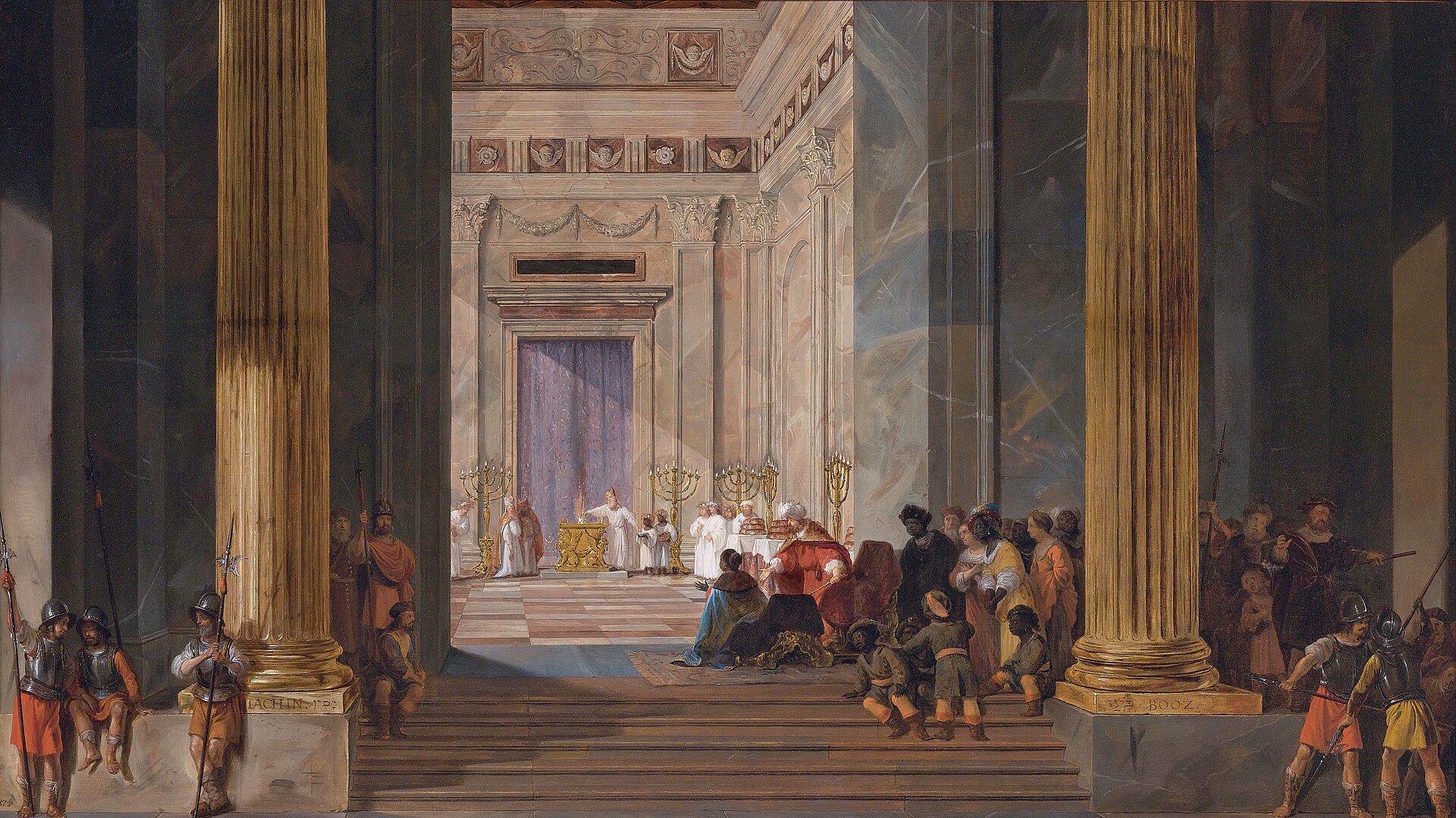
The chronicles of Solomon, in the sense most searchers mean it, is not a lost book at all. It is 2 Chronicles, chapters 1 through 9, a surviving section of the Hebrew Bible that retells Solomon's request for wisdom, the building and dedication of the Temple, and the visit of the Queen of Sheba, in more ceremonial detail than the parallel account in 1 Kings. What makes the phrase genuinely confusing is that this same surviving book, at its very close, cites three further sources on Solomon's reign — and every one of those three has vanished. The chronicles of Solomon, in other words, names both a text we still have and, one verse later, the ghosts of texts we don't.
What the Chronicles of Solomon Actually Is
Chronicles was compiled later than Kings, most likely during or after the Babylonian exile, by a writer scholars call the Chronicler, working from Kings itself and from other material available to him. His account of Solomon runs from 2 Chronicles 1, where the new king offers a thousand burnt offerings at Gibeon and is granted wisdom in a night vision, through chapter 9, which closes with his death and the succession of his son Rehoboam. The Chronicler's version leans harder into the Temple than Kings does — the priestly courses, the furnishings, the dedication ceremony with its fire falling from heaven — and leans away from material that might have complicated Solomon's image, such as his foreign wives and their gods, which 1 Kings covers at length in chapter 11 and Chronicles simply omits. This is not concealment so much as a different editorial purpose: the Chronicler was writing for a community rebuilding its Temple and its religious identity after exile, and he shaped Solomon's story to serve that project. The text itself, unlike the lost sources discussed below, has never been out of circulation. It has been copied, translated, and read continuously since antiquity, and any Bible on a shelf today contains the full chronicles of Solomon exactly as ancient readers had it.
The Three Sources the Chronicles of Solomon Cites — And Loses
Here the story turns. 2 Chronicles 9:29 closes Solomon's reign with a citation formula, the same device used throughout Kings and Chronicles to point past a summary toward a fuller record. But where 1 Kings 11:41 names one book, the acts of Solomon, the Chronicler names three:
"Now the rest of the acts of Solomon, first and last, are they not written in the book of Nathan the prophet, and in the prophecy of Ahijah the Shilonite, and in the visions of Iddo the seer against Jeroboam the son of Nebat?" (2 Chronicles 9:29, KJV)
Nathan, Ahijah, and Iddo were all prophets active during or just after Solomon's era — Nathan advised David and anointed Solomon king, Ahijah later tore his own garment into twelve pieces to prophesy Jeroboam's kingship over ten tribes, and Iddo appears again in Chronicles as a source for the reigns of Rehoboam and Abijah. What the Chronicler describes is not a single royal archive but a set of prophetic writings, each apparently covering Solomon's reign from within a particular prophet's own record. None of the three has survived under those titles. The chronicles of Solomon we can still read is, on its own telling, a summary standing atop sources that disappeared before anyone thought to preserve them separately.
A Citation Inside a Citation: Why This Differs From the Acts of Solomon
It is worth being precise about what has and hasn't been lost, because the pattern here nests two layers deep. As explored in the essay on the acts of Solomon, 1 Kings 11:41 points to one lost court record and stops there — a single citation, a single vanished book. 2 Chronicles 9:29 does something different: it is itself a surviving text, part of the settled biblical canon, and it points backward to three separate lost prophetic sources, none of which is the acts of Solomon named in Kings. So "the chronicles of Solomon" cannot be treated as a single object the way "the acts of Solomon" or, as covered in the piece on the annals of Solomon, its NIV counterpart can. It names a surviving book, three named-but-lost prophetic sources that book cites, and, loosely, sometimes the lost Kings source too. Three referents share one search phrase, and only careful reading separates them.
1 Chronicles and 2 Chronicles: Where Solomon's Story Actually Sits
A further point of confusion is structural. Solomon does not appear in 1 Chronicles as a ruling king; that book covers David's reign in full and ends with David's public charge to Solomon and to the assembled leaders of Israel, handing over the Temple plans and the resources gathered for its construction, before David's death closes the book. Solomon's own reign begins only at the opening of 2 Chronicles, where "Solomon the son of David was strengthened in his kingdom, and the Lord his God was with him, and magnified him exceedingly." Readers searching for a single unified "chronicles of Solomon" sometimes expect one continuous book devoted to him; what they find instead is the second half of a two-volume history, with David occupying the first volume almost entirely and Solomon occupying most of the second.
How the Mystery Tradition Reads a Text That Survived
The mystery school tradition treats the survival of 2 Chronicles differently than it treats the losses catalogued in the acts and annals of Solomon, because here the pattern runs the other way: a text meant for continuous religious use, copied by scribes who understood themselves to be preserving scripture, made it through millennia largely intact, while the prophetic writings it cites for supplementary detail did not. Initiates read that contrast as confirmation of something the tradition holds more broadly — that what a community commits to active, ongoing use tends to persist, while what is set aside as background reference, however valuable in its own moment, tends not to. The written record the tradition traces to Solomon's era survives, by its own account, for the same reason: each generation of initiates has kept the material in active use rather than filing it away. A source cited once and never opened again is already halfway to being lost. What is genuinely carried forward is what gets practiced, generation after generation, not merely what gets written down once.
There is also something worth noticing in which sources Chronicles chose to name. Nathan, Ahijah, and Iddo were not court scribes keeping administrative ledgers; they were prophets, men understood to speak from direct spiritual perception rather than from the palace archive. That the Chronicler reached for prophetic testimony, not bureaucratic record, suggests that even the Bible's own historians recognized a distinction between an account of outward deeds and an account of inward discernment — and rated the second worth naming separately, even knowing it might not survive.
What the Loss of These Sources Actually Tells Us
None of this points to suppression or a hidden hand erasing inconvenient prophecy. The far simpler explanation holds here as it does for every other lost citation in Kings and Chronicles: texts a community actively copies survive, and texts that exist mainly as background reference for a more polished, more widely read account tend to fade once that account has absorbed what it needed from them. The book of Nathan, the prophecy of Ahijah, and the visions of Iddo were almost certainly real documents once, consulted by a real historian working roughly twenty-five centuries ago. They did their work, contributed to the account we now call 2 Chronicles, and were allowed to recede once that account stood on its own. The chronicles of Solomon that survives today carries what those three sources judged worth keeping. What they judged and left out went with them.
Walk the Path of the Initiate
These teachings come alive in The Initiated — Paul Schulz's introduction to the living mystery school tradition.
Get the BookFrequently Asked Questions
What is the chronicles of Solomon?
Most often it refers to 2 Chronicles, chapters 1 through 9 of the surviving biblical book that retells Solomon's reign — his request for wisdom, the building of the Temple, and the visit of the Queen of Sheba. Unlike the acts of Solomon or the annals of Solomon, this Chronicles text is not lost; it has been part of the Hebrew Bible canon for over two thousand years.
Is the chronicles of Solomon the same book as the acts of Solomon or annals of Solomon?
No. The acts of Solomon and annals of Solomon are two English names for one lost book cited at 1 Kings 11:41. The chronicles of Solomon, by contrast, most naturally names 2 Chronicles itself, a book that survives in full. To add to the confusion, 2 Chronicles 9:29 closes Solomon's story by citing three further sources of its own, and none of those three has survived either.
What are the three sources 2 Chronicles cites for Solomon's reign?
2 Chronicles 9:29 names the book of Nathan the prophet, the prophecy of Ahijah the Shilonite, and the visions of Iddo the seer concerning Jeroboam son of Nebat. All three are attributed to individual prophets rather than to a royal archive, and none of the three texts has ever been recovered.
How does 1 Chronicles differ from 2 Chronicles on Solomon?
1 Chronicles covers David's reign and closes with his final charge to Solomon and the people, preparing for the Temple that Solomon will build. 2 Chronicles opens with Solomon already king and carries his story through the Temple's construction, dedication, and his eventual death, before turning to the divided kingdom that follows him.
Why does the Bible sometimes cite lost sources within a book that itself survived?
Ancient historians regularly wrote shorter accounts while pointing readers toward fuller archives or prophetic records they drew from, much as a modern author might footnote a source without reprinting it. The Chronicler's own book was carefully copied and became scripture; the prophetic writings and court archives it cited were not treated the same way, and were lost to war, fire, and the ordinary neglect that erased most ancient documents.